Carabica
Suke Quto – Specialty Coffee aus Guji, Äthiopien
Etiopien
- Single origin
Suke Quto – Specialty Coffee aus Guji, Äthiopien är ett kaffe från Etiopien, som säljs av Carabica (Kirchzarten, Tyskland). Pris: 11,00 € till 35,00 €, beroende på storlek. Det motsvarar från 35,00 € per kilo.
Inget betyg än · Bli först med att recensera det
från11,00 €
≈ 35,00 € / kg
Du skickas till rosteriets butik för att slutföra ditt köp.
- Rosteri baserat i
- Tyskland
- Leverans till
- Sverige · Inte angivet av rosteriets butik
Storlekar och priser
Beskrivning
Milk chocolate | Cassis | Blueberry | Vanilla | Citrus
Suke Quto has held a firm place in our lineup for years. And there’s a pretty simple reason for that: It tastes exceptionally good.
Rich milk chocolate meets cassis, blueberry, vanilla, and a delicate citrus note. A complex Ethiopian Arabica with plenty of sweetness and a clean, fruity cup.
This coffee comes from the Suke Quto Farm of Tesfaye Bekele in the Guji region of Ethiopia—one of the producers who has played a decisive role in establishing Guji’s reputation as a specialty coffee region.
Suke Quto Farm – Guji, Ethiopia
Suke Quto Farm is located in the Odo Shakisso District in Guji, in southern Ethiopia.
The coffee grows there at elevations of about 1,800 to 2,200 meters. Among others, the Ethiopian Arabica varieties Kurume and Welicho are grown on the farm.
The volcanic soils and high elevation provide excellent conditions for high-quality Arabica coffees.
Suke Quto also works with coffee farmers from the surrounding area, whose cherries are processed at the farm’s washing and drying station.
Tesfaye Bekele – From Environmental Protection to Coffee
Tesfaye Bekele is behind Suke Quto. Before becoming a coffee producer, Tesfaye worked for the Ethiopian government in the field of nature and environmental protection.
In the late 1990s, severe forest fires destroyed large areas of forest in Guji.
Tesfaye had an unusual idea: He wanted to combine the restoration of vegetation with an economic opportunity for local people. To do so, he began bringing coffee plants back into the landscape alongside other trees.
At first, many farmers were skeptical. After all, a coffee shrub takes several years to produce its first significant harvest.
Tesfaye kept going.
This idea eventually grew into the Suke Quto Farm, and in the years that followed, Guji became one of Ethiopia’s best-known specialty coffee regions.
Coffee Farming with Shade Trees and Organic Matter
Suke Quto Farm uses several specific practices to manage the soil and maintain its coffee-growing areas.
Trabocca documents, among other things:
-
Plant material and leaves are left in the fields and become part of the organic cycle
-
Returning root and plant residues to the soil
-
Shade trees within the coffee-growing areas
-
Processing coffee at an on-site washing station
-
Collection basins for wastewater from coffee processing
Operation Cherry Red – Quality Starts at Harvest
An important part of the collaboration between Tesfaye and Trabocca is the consistent focus on green coffee quality.
This includes, in particular, selecting coffee cherries that are as ripe as possible. Only fully developed cherries provide the foundation for the sweetness and complexity we look for in the cup.
The idea behind the so-called “Operation Cherry Red” is therefore pretty simple: Red means ripe. Ripe means better starting quality.
This straightforward quality control, along with corresponding premiums, gives producers additional incentives to harvest and process their coffee with particular care.
Washed Coffee from Ethiopia
Our Suke Quto is washed processed. After harvest, the coffee cherries are depulped. The coffee is then fermented in tanks before being washed and dried.
Trabocca reports a fermentation time of about 35 to 48 hours for the Suke Quto Washing Station, depending on the weather conditions.
The washed process supports this coffee’s clean, precise flavor profile. That’s why, alongside rich chocolate, you’ll find the characteristic fruity notes of cassis, blueberry, and citrus.
Quality That Comes Back Year After Year
Suke Quto isn’t a coffee we bought once because of a good story. We keep buying it for its quality.
In recent years, depending on the harvest and lot, Suke Quto has received specialty coffee scores in the high 80s, placing it firmly among high-quality specialty coffees.
A School for the Villages of Suke and Kurume
The long-standing collaboration between Tesfaye Bekele, Trabocca, and participating coffee roasters also led to a school project for the surrounding communities.
The goal of the Suke Quto School Project is to build and equip schools for children from the villages of Kurume and Suke.
The school in Kurume has already been completed. The project was then expanded to the village of Suke.
Here, too, we find the practical approach more interesting than big promises:
a specific producer, a specific region, and a concrete project.
What Does Suke Quto Taste Like?
Suke Quto brings together two things we love about Ethiopian specialty coffee: fruit and sweetness.
In the cup, you’ll find:
-
Milk chocolate
-
Cassis
-
Blueberry
-
Vanilla
-
Citrus
It also has a clean body and lively yet balanced acidity.
Our Recommendation: As a Filter Coffee
We like to drink Suke Quto as filter coffee—without milk or sugar.
As a starting point, we recommend: 60 g of coffee per liter of water
For 350 ml of filter coffee, that’s about: 21 g of coffee to 350 ml of water.
Suke Quto works very well with: V60, Kalita, Clever Dripper, a classic drip coffee maker, AeroPress
Our AeroPress Recipe
14 g coffee
210 g water
Water temperature: about 86 °C
From there, you can of course experiment. Water, grinder, and taste have the final say with this coffee, too.
Who Is Suke Quto For?
For you, if you …
-
are looking for high-quality coffee from Ethiopia,
-
enjoy coffees that are both fruity and chocolatey,
-
want to discover Guji coffee,
-
and are looking for filter coffee with a distinctive sense of origin.
Suke Quto has been one of our favorites for years.
Frågor om Suke Quto – Specialty Coffee aus Guji, Äthiopien
Var kommer Suke Quto – Specialty Coffee aus Guji, Äthiopien ifrån?
Det kommer från Etiopien.
Vad kostar Suke Quto – Specialty Coffee aus Guji, Äthiopien?
Pris: 11,00 € till 35,00 €, beroende på storlek. Det motsvarar från 35,00 € per kilo. Priserna kommer från butiken och kan ändras; butiken har de aktuella priserna.
Var kan jag köpa Suke Quto – Specialty Coffee aus Guji, Äthiopien?
I Carabicas webbutik: priserna på den här sidan länkar dit. Enligt butiken levererar den inom Tyskland. Cafendo säljer inget kaffe själva.
Recensioner
Inga recensioner än.
Gillar du det här kaffet? Prova de här
Utvalt från andra rosterier utifrån gemensamt ursprung, bearbetning, rostning, smakbeskrivning och pris. Kaffe som samma personer har sparat eller gett höga betyg väger tyngst.
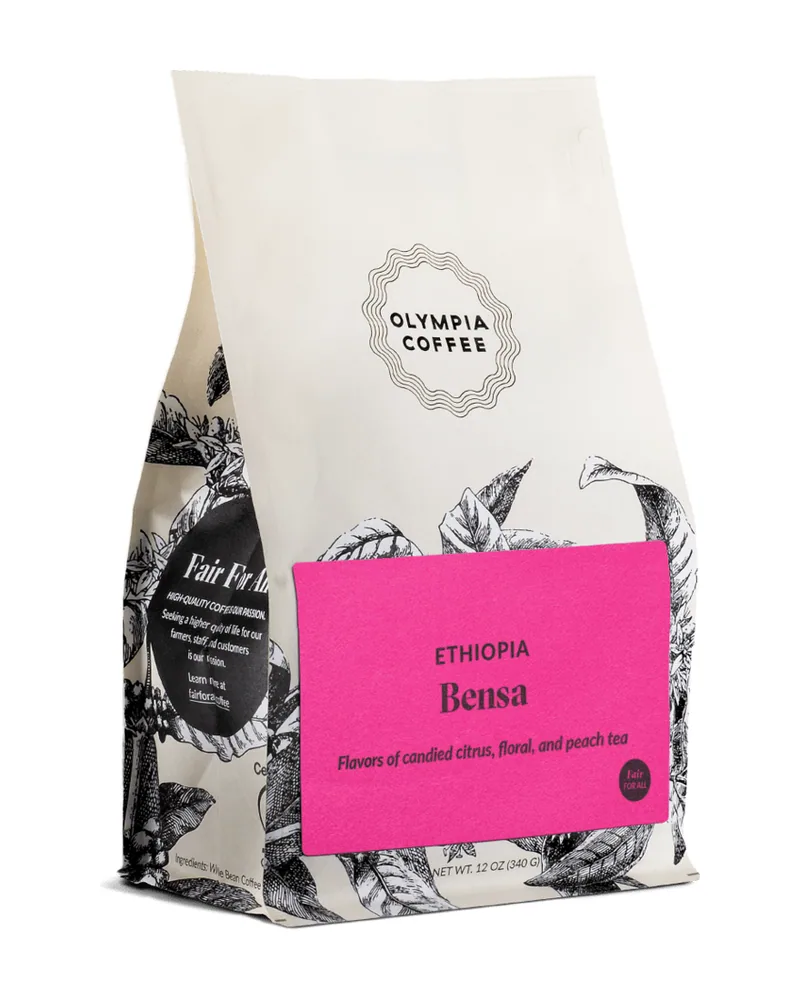
Olympia Coffee
ETHIOPIA Bensa
16,91 US$
Varför: EtiopienLiknande pris
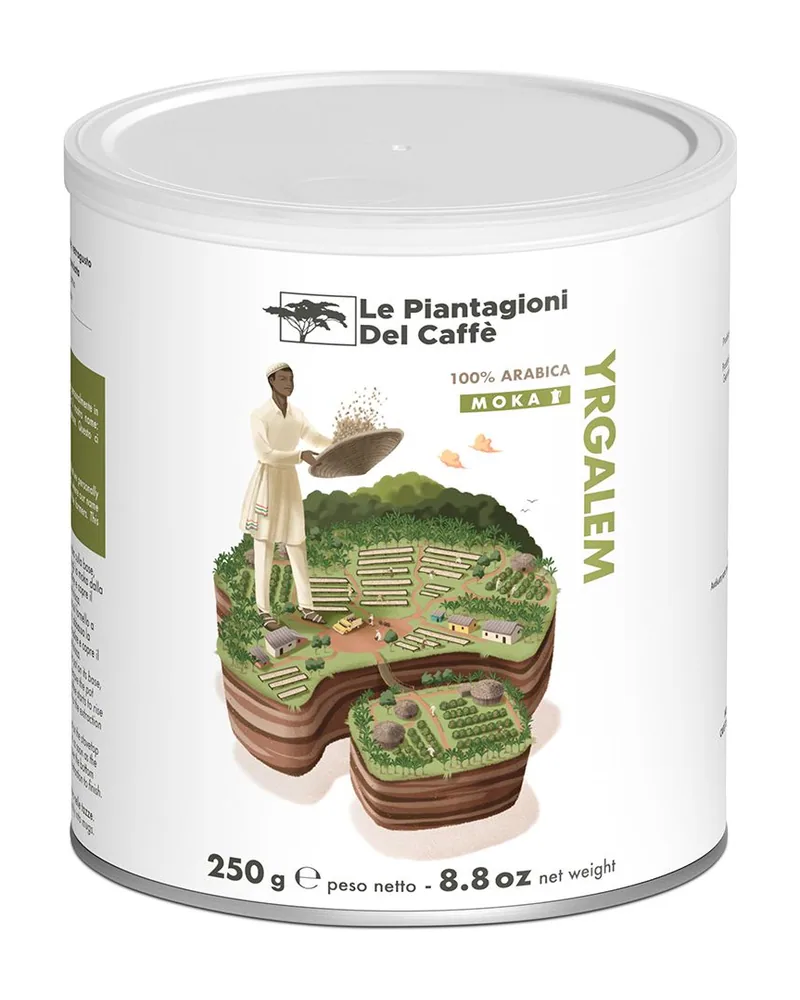
Le Piantagioni Del Caffè
YRGALEM
9,15 US$
Varför: EtiopienLiknande pris

Faith In Coffee
Connected Souls
10,06 US$
Varför: EtiopienLiknande pris
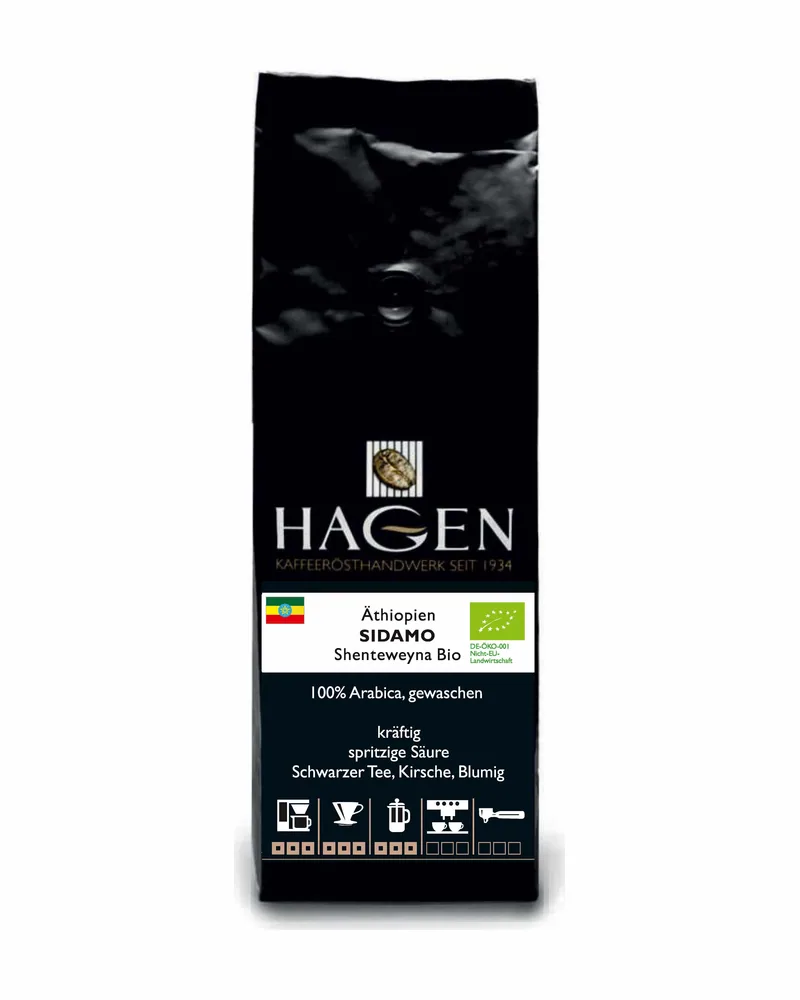
Hagen Kaffee
Ethiopia Sidamo Shenteweyna organic
9,70 US$
MediumVarför: EtiopienLiknande pris
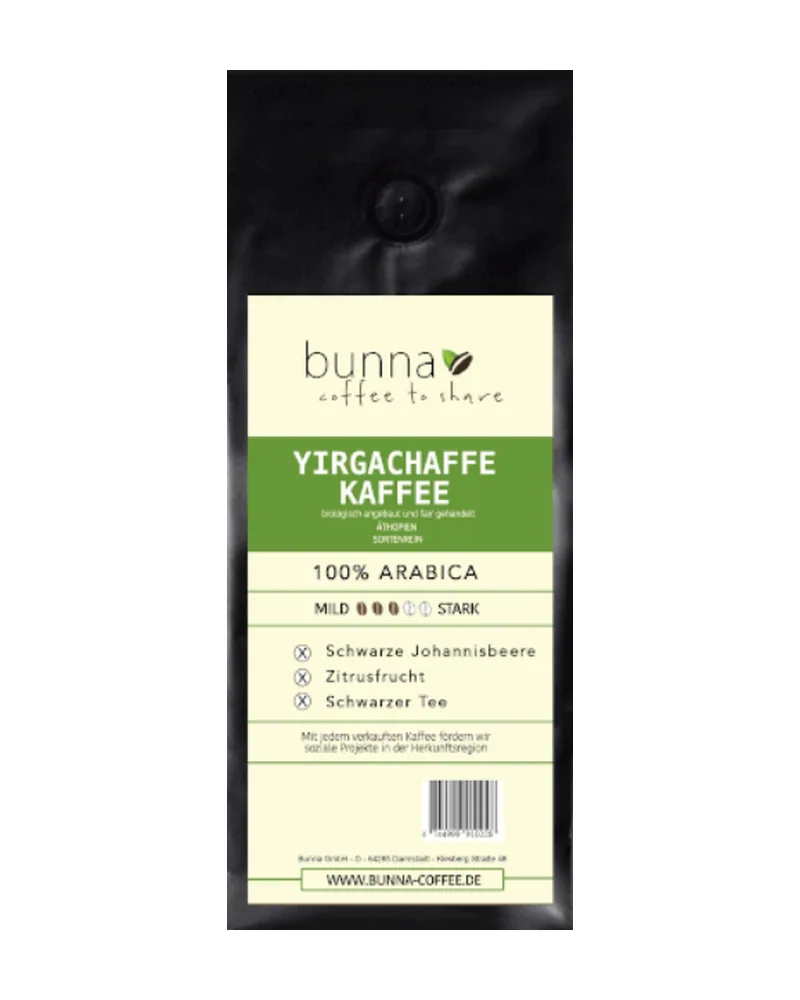
Bunna Coffee
Yirgachaffe Kaffee
19,00 US$
MediumVarför: EtiopienLiknande pris
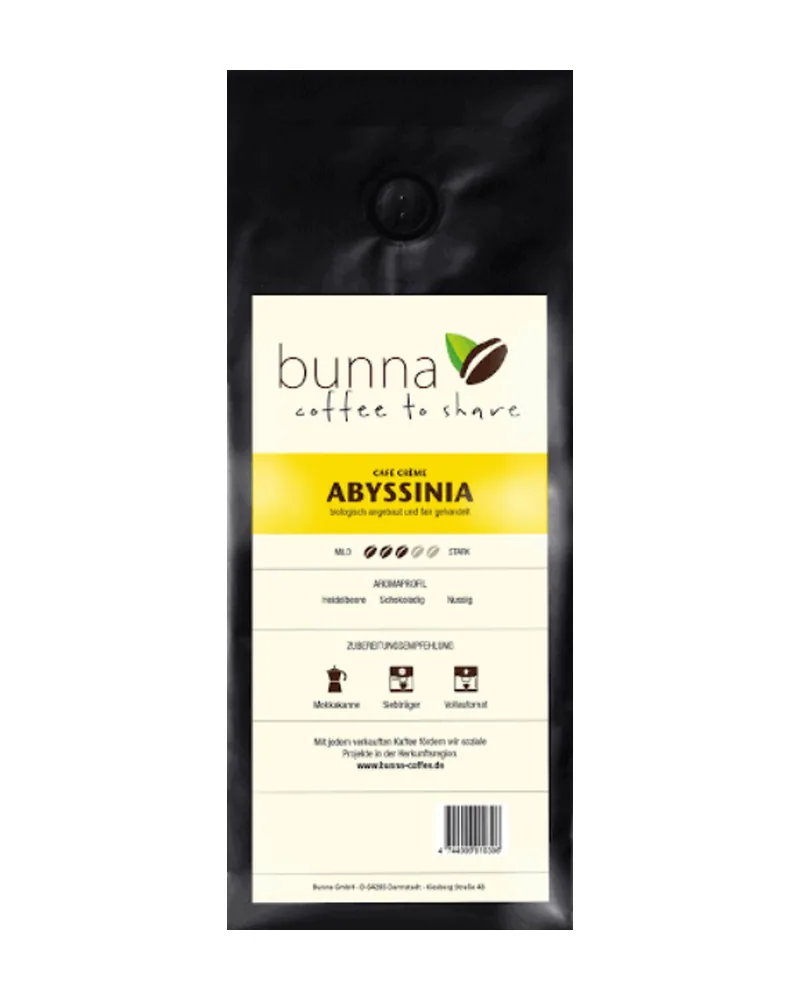
Bunna Coffee
Abyssinia Cafe Creme
17,00 US$
MediumVarför: EtiopienLiknande pris
Hallingers
The adventurous from Ethiopia
13,90 US$
MörkVarför: EtiopienLiknande pris
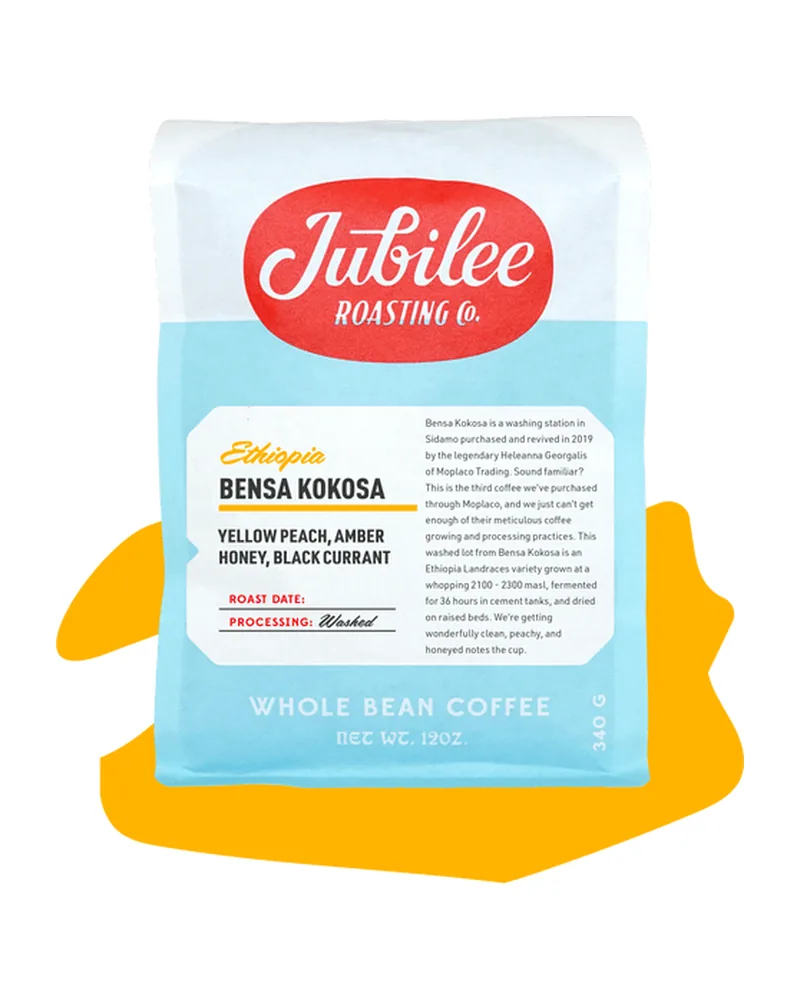
Jubilee Roasting Co.
ETHIOPIA BENSA KOKOSA
17,44 US$
Varför: EtiopienLiknande pris