Single Origin
Kolumbia Supremo
Kolumbia Supremo är ett kaffe som säljs av Single Origin (Polen). Pris: 20,90 PLN till 139,90 PLN, beroende på storlek. Det motsvarar från 139,90 PLN per kilo.
Inget betyg än · Bli först med att recensera det
från20,90 PLN
≈ 139,90 PLN / kg
Du skickas till rosteriets butik för att slutföra ditt köp.
- Rosteri baserat i
- Polen
- Leverans till
- Sverige · Kontrollera i rosteriets butik
Top-quality Arabica from one of the world’s largest coffee-producing countries. Colombia Supremo is a classic coffee and a crown jewel of Colombia’s coffee industry.
Colombia is the world’s third-largest coffee producer (after Brazil and Vietnam) and the second-largest producer of Arabica (Vietnam mainly grows lower-quality Robusta). Around 900,000 tons of coffee are produced here each year, more than half of which is exported to the United States, where it has a reputation as “the best in the world.”
Most coffee in Colombia is grown in the country’s central and central-western regions, in the so-called “Coffee Triangle” (“Triángulo del Café”)—an exceptionally fertile region that was inscribed on the UNESCO World Heritage List for its stunning landscapes, 200-year history of coffee cultivation, and numerous farms with their historic buildings. In addition, the European Union granted the “Coffee Triangle” Protected Designation of Origin (PDO) status, which recognizes certain regions outside the EU as exceptionally important to the world’s culinary heritage.
Coffee in Colombia was initially grown on vast latifundia, but social and economic changes at the turn of the 20th century brought this to an end. Today, most farms cover a few to a dozen or so hectares, and coffee cultivation provides a livelihood for 500,000 Colombian families. Founded in 1927, the National Federation of Coffee Growers supported—and continues to support—the creation of cooperatives, provides training, and helps organize financing for the entire coffee sector. It also promotes Colombian coffee around the world, especially through the fictional character it created, Juan Valdez—a friendly, mustachioed man in a hat, with a donkey carrying sacks of coffee by his side, who for more than 60 years has been recognized worldwide as a symbol of Colombian coffee.
The Colombia Supremo we offer comes from the Antioquia region, centered around the city of Medellín. This Arabica has very low acidity, delicate sweetness, and perceptible nutty and chocolate notes. The name “Supremo” refers to the largest bean size. Although bean size is not the same as quality, there is a reasonable belief that the larger the bean, the better the coffee. We typically roast Colombian Supremo to a dark / Viennese roast and recommend it for espresso brewing methods.
Storlekar och priser
| Innehåll | Rodzaj palenia | Per kg | Pris |
|---|---|---|---|
| 100g | Mocne (wiedeńskie) | 209,00 PLN | 20,90 PLN ↗ |
| 200g | Mocne (wiedeńskie) | 194,50 PLN | 38,90 PLN ↗ |
| 500g | Mocne (wiedeńskie) | 159,80 PLN | 79,90 PLN ↗ |
| 1kg | – | 139,90 PLN | 139,90 PLN ↗ |
Beskrivning
Good to know – read about coffee in Colombia
For many people, Colombia is synonymous with good coffee—and for good reason. It is the world’s third-largest coffee producer and the first country in Latin America to build its national brand around quality, not just quantity. Unlike Brazil or Vietnam, where enormous industrial plantations dominate, more than 95% of Colombian coffee still comes from small family farms, often located on steep, hard-to-reach Andean slopes. This distinctive combination—locations inaccessible to farm machinery, hand-picking, an extraordinary range of microclimates, and a long-standing tradition—makes Colombia one of the most important countries on the specialty coffee map.
The history of coffee in Colombia
The history of coffee in Colombia dates back to the early 18th century. The most popular legend tells of a Jesuit priest, Father Francisco Romero, who worked in the Norte de Santander region (in the north, near the Venezuelan border) and, as penance for their sins, instructed parishioners to plant coffee bushes instead of saying traditional prayers. Whether this story is true or part of the national mythology, the oldest documented references to coffee cultivation in Colombia—dating to 1730–1740—come from this region, near the town of Salazar de las Palmas.
The 19th century – coffee as an export commodity
For most of the 18th century, coffee remained in the agricultural shadows in Colombia, grown mainly for local consumption and in monastery gardens. The situation began to change in the first half of the 19th century, when Colombia (then part of Gran Colombia and later New Granada) began looking for export commodities that could compete in European and American markets. The first documented coffee export transactions from Colombia took place in the 1820s, but for a long time, volumes were negligible compared with Brazil, which already dominated the global market.
The real turning point came in the second half of the 19th century, when coffee cultivation began spreading from the eastern regions (Santander, Norte de Santander, Cundinamarca) toward the central and western Andes—to what is now known as „Eje Cafetero” (the Coffee Axis), or the departments of Caldas, Risaralda, Quindío, and northern Valle del Cauca. The migration of settlers known as „colonización antioqueña,” which lasted from the mid-19th to the early 20th century, led to the settlement and clearing of vast mountainous areas for coffee cultivation. These lands later became the heart of Colombia’s coffee industry.
The 20th century – coffee’s golden age and the founding of Federación Nacional de Cafeteros
A key moment in the history of Colombian coffee was the founding in 1927 of the Federación Nacional de Cafeteros de Colombia (FNC)—the National Federation of Coffee Growers. This organization, which is still active today, became one of the country’s most important economic and social actors. The FNC worked not only to promote and regulate exports but also to build infrastructure in rural areas—roads, schools, and hospitals—and later to establish research and agronomy programs conducted by the Cenicafé institute, founded in 1938.
From the 1920s through the 1960s, coffee became for Colombia what oil was for Venezuela or Saudi Arabia—the main export commodity, a driver of economic development, and an element of national identity. In the postwar period, Colombia was responsible for as much as 12–15% of global coffee production, making it the world’s second-largest exporter after Brazil—a position it held for decades.
The crisis of the 1990s
The 1990s brought serious challenges. The collapse of international coffee agreements that regulated prices (Brazil’s effective veto of the International Coffee Agreement in 1989) led to a sharp drop in prices on global markets. Colombia was also grappling with internal armed conflict, drug cartel activity, and—of direct concern to coffee—an outbreak of coffee leaf rust (roya, Hemileia vastatrix) and an invasion of the pest known as „broca” (Hypothenemus hampei, the coffee berry borer).
These crises became a catalyst for change. Cenicafé developed new disease-resistant varieties (more on these below), and the FNC began aggressively promoting Colombia as a premium coffee-producing country—not only through its famous „Juan Valdez” campaign (launched in 1959 and popularized globally in the following decades), but also through investments in quality, certifications, and, since the turn of the 21st century, the specialty coffee movement.
The 21st century – the specialty boom and a new generation of producers
The past two decades have been a time of genuine specialty coffee revolution in Colombia. Hundreds of small, independent exporters and cooperatives have emerged, buying coffee directly from producers at prices well above commodity-market rates in exchange for quality and distinctive flavor profiles. Competitions such as the Cup of Excellence (held in Colombia since 2005) and the national „Taza de Excelencia” competitions have given small farms in remote regions—such as Nariño, Cauca, and Huila—a platform to showcase exceptionally high-quality coffees, which are then sold at record prices at auction.
Geography and natural conditions – what makes Colombia so special?
Colombia lies almost entirely within the equatorial zone, which in theory should mean a climate that is too hot for high-quality Arabica. However, the country is crossed by three branches of the Andes—Cordillera Occidental, Central, and Oriental—creating a vast mountain system that ranges from a few hundred to more than 5,000 meters above sea level. As a result, nearly every coffee-growing region has a unique microclimate, shaped by altitude, wind exposure, rainfall, and proximity to volcanoes.
Most coffee is grown at elevations of 1,200–2,000 meters above sea level, although in some regions—such as Nariño—farms reach as high as 2,300 meters, an elevation rarely seen anywhere in the world. Mineral-rich volcanic soils, combined with two rainy seasons a year (which allow for two harvests annually in some regions—the so-called „mitaca” and the main harvest, „cosecha principal”), create exceptionally favorable conditions for developing sweet, balanced, yet varied flavor profiles.
Importantly, Colombia grows almost exclusively Arabica—unlike, for example, Vietnam or Brazil, where Robusta makes up a significant share of production. Robusta cultivation is legally restricted and monitored by the FNC in Colombia, specifically to protect the country’s reputation as a producer of high-quality Arabica.
Major coffee-growing regions
Colombia is divided into 32 departments (roughly equivalent to “provinces”), a third of which produce coffee, each with its own distinctive profile. Here are the most important ones.
Huila
Huila is currently Colombia’s largest coffee-growing department by volume and probably its best-known region in the specialty coffee world. It lies in the country’s southwest, in the upper Magdalena River valley, surrounded by volcanoes (including the active Nevado del Huila). Farms range from 1,100 to 2,100 meters above sea level. Coffees from Huila typically have a full body, pronounced sweetness (caramel, red fruit, and sometimes wine-like notes), and well-balanced acidity. In recent years, the region has dominated the Cup of Excellence winners’ lists.
Nariño
The southernmost coffee-growing region, bordering Ecuador, is known for having the highest farms in the country—many lie at 1,800–2,300 meters above sea level. Its proximity to the equator combined with its high altitude gives coffee cherries an exceptionally long ripening cycle, resulting in intense, “wine-like” acidity, a clean cup, and often fruity and floral notes. Nariño is also home to many Indigenous communities (including the Pasto), and coffees from the region are often considered among the most “elegant” in all of Colombia.
Cauca
A mountainous region neighboring Nariño and Huila, Cauca has highly varied topography, from the high Andes to tropical valleys. It is one of the leading regions in certified coffee production (organic, Fair Trade) and in the development of experimental processing (anaerobic fermentation, honey, naturals). It is also a region of great importance to Afro-Colombian and Indigenous communities, especially in the higher mountain areas.
Tolima
A region neighboring Huila, crossed by the Cordillera Central, with farms around Nevado del Ruiz National Park. Coffees from Tolima vary widely—from classic chocolate-caramel profiles to bright, fruity notes from higher elevations (Planadas, Rioblanco, Chaparral). Tolima is also a region where many initiatives have helped former coca plantations transition to specialty coffee cultivation through peace programs following the 2016 FARC agreement.
Eje Cafetero – Caldas, Risaralda, Quindío
These are the historic “cradle” regions of Colombian coffee farming, known as the “Coffee Axis” or „Triángulo del Café” (Coffee Triangle). The region’s cultural landscape—Paisaje Cultural Cafetero—was added to the UNESCO World Heritage List in 2011 as a unique example of the harmonious coexistence of agriculture, architecture (distinctive colorful houses with balconies), and tradition. Tourists visit the famous „fincas” here, and the region is a major destination for coffee tourism. Its flavor profiles are classically balanced—nutty, chocolatey, and moderately acidic.
Antioquia
The country’s second-largest producer, Antioquia is a region of immense historical importance (the Antioquian colonization) and economic significance (Medellín as a commercial hub). Antioquia produces both large volumes of commercial coffee and a growing number of specialty microlots, especially in subregions such as Jardín, Andes, and Urrao.
Santander and Norte de Santander
A region of exceptional historical significance—this is where Colombian coffee originated, as mentioned above. It is characterized by lower growing elevations (1,000–1,700 meters above sea level) and a warmer climate, producing coffees with a fuller body and lower acidity, often with nutty and chocolate notes. The region is currently experiencing a renaissance, with a strong focus on reviving its historic coffee tradition and developing specialty coffee.
Colombia’s coffee story has had its ups and downs
For decades, Colombia has remained the world’s third-largest coffee producer, after Brazil and Vietnam, and is also the largest producer of washed Arabica—an important distinction, since Brazil mainly produces dry-processed coffees (using the „natural” method), while Vietnam grows mostly Robusta.
To understand the scale and evolution of Colombia’s share of global production, it helps to look at the historical data:
- 1950s–1960s: Colombia accounted for around 10–12% of global coffee production, firmly in second place worldwide, with annual production of 7–8 million 60-kilogram bags.
- 1980s (peak): Production reached as much as 12–14 million bags a year, giving Colombia a share of around 12–13% of global production.
- 1990s – crisis: An outbreak of coffee leaf rust, falling prices following the breakdown of coffee agreements, and social and political problems led to a drop in production—in some years, below 9 million bags.
- First decade of the 21st century – deepening crisis: An invasion of the broca pest, aging plantations (many trees were 15–20 years old, significantly reducing yields), and unpredictable weather events (La Niña) led to a dramatic drop in production. In 2010 and 2011, production fell to around 8 million bags, its lowest level in 30 years. Colombia’s share of global production fell below 5%.
- Plantation renewal program (2008–2018): The FNC and Cenicafé carried out one of the largest coffee-crop renewal programs in history—more than 3.5 million hectares were planted with new, resistant varieties (mainly Castillo and Cenicafé 1), gradually producing results.
- 2015–2020 – recovery: Production returned to 13–14 million bags a year. In the record-breaking year of 2019, Colombia produced more than 14.8 million bags—the highest amount in the country’s modern history.
- Since 2021 – new climate challenges: El Niño and La Niña, extreme rainfall, and climate change have led to renewed fluctuations in production, which has ranged from 10 to 13 million bags a year.
Today, Colombia accounts for around 7–8% of global coffee production (with worldwide production at roughly 170–180 million bags a year), keeping it among the top three producers, although its share is much lower than during the “golden age” of the 1980s. Importantly, despite its smaller percentage share than 50 years ago, Colombia has increased its share of the premium and specialty coffee segments. In exports to markets such as the United States, Western Europe, and Japan, Colombian coffee often commands some of the highest price premiums among producer countries.
Coffee exports generate annual revenues of $2.5–3.5 billion for Colombia, and the coffee sector provides a source of income for more than 540,000 producer families (FNC data), spread across more than 600 municipalities in 20 departments.
What coffee varieties are grown in Colombia?
The diversity of coffee varieties in Colombia is one of the key factors behind its rich range of flavor profiles.
- Typica and Bourbon – classic, historic varieties brought to the country as far back as the 18th and 19th centuries. They are now rarer because of their low disease resistance and lower yields, but are still grown on small, prestigious microlots—especially Bourbon, prized for its exceptional sweetness and complexity.
- Caturra – a Bourbon mutation that became popular in the mid-20th century because its bushes are smaller and more compact (making harvesting easier and allowing for denser planting), but it is susceptible to coffee leaf rust.
- Colombia – a variety developed by Cenicafé in the 1980s, created by crossing Caturra with Híbrido de Timor (a natural Arabica-Robusta hybrid resistant to rust). It was the first widely introduced rust-resistant variety to retain high cup quality.
- Castillo – currently the most popular variety in Colombia, widely introduced as part of the plantation renewal program after 2005. It is highly resistant to coffee leaf rust and has good yields, although for a time its quality potential was controversial among purists. Today, however, many Cup of Excellence-winning coffees come from Castillo, showing that, with the right processing and terroir, it can produce very high-quality coffee.
- Cenicafé 1 (F1) – a newer F1 hybrid variety that combines high disease resistance with quality comparable to traditional varieties. It has been introduced on an increasingly large scale since 2017.
- Tabi – a variety developed by Cenicafé by crossing Typica, Bourbon, and Híbrido de Timor, prized for quality similar to that of traditional varieties and improved resistance.
- Geisha (Gesha) – although primarily associated with Panama, this variety is also grown in Colombia (including Huila, Cauca, and Nariño), where it produces some of the country’s most expensive microlots, sold at auction for hundreds of dollars per kilogram.
- Pink Bourbon – a relatively recently “rediscovered” variety with distinctive pink cherries, grown mainly in Huila and Tolima and prized for its exceptionally intense, fruity, and floral profile. It has been one of the hottest new releases in the specialty market in recent years.
Fun facts about coffee from Colombia
- Juan Valdez is a fictional character – the image of a mustachioed farmer with a donkey, created in 1959, became one of the most recognizable marketing symbols in coffee history, even though no such person ever existed. Several different actors have played the character over the decades.
- Paisaje Cultural Cafetero – the coffee landscape of the Eje Cafetero region is one of the few agricultural areas in the world on the UNESCO list, covering more than 411,000 hectares across 47 municipalities.
- Two harvests a year – in many regions (such as Huila and Tolima), coffee is harvested twice a year: the main harvest („cosecha”) and a smaller one, known as „mitaca” or „traviesa”.
- The world’s highest coffee farms – some farms in the department of Nariño lie at more than 2,300 meters above sea level, comparable only to farms in Ethiopia.
- „Café de Colombia” as a protected designation of origin – in 2007, the European Union granted Colombian coffee Protected Geographical Indication (PGI/PDO) status, meaning the name „Café de Colombia” is legally protected and may be used only for coffee from that country.
- Coffee as a tool for peace – after the 2016 peace agreement with FARC, numerous organizations and development programs helped former coca growers in regions such as Tolima, Cauca, and Caquetá transition to specialty coffee cultivation instead of drug crops, becoming a symbol of the regions’ social and economic transformation.
- No espresso tradition – paradoxically, even though coffee is fundamental to Colombia, the traditional way of preparing it is “tinto”—a weak, black coffee brewed very strong and drunk throughout the day, often with a lot of sugar, quite unlike the way Colombian coffee is served in specialty cafés in the West.
- Cenicafé – one of the world’s oldest coffee research institutes – founded in 1938, it has conducted uninterrupted research into coffee genetics, agronomy, and plant protection. Its achievements (such as the Castillo variety) have influenced the entire coffee industry in the Americas.
Coffee from Colombia is much more than just the one “classic” nutty and chocolatey flavor many consumers associate with it. This country has an extraordinary diversity of microclimates, varieties, and processing methods—from traditional washed coffees from Eje Cafetero, through elegant floral profiles from high-altitude Nariño, to experimental, fermented microlots from Huila and Cauca that compete with the best coffees in the world. The history of coffee cultivation in Colombia—from the Jesuit legend, through the “golden age” of exports and the crises of the 1990s and 2000s, to today’s era of specialty coffee and microlots—is a story of constant adaptation, innovation, and the passion of hundreds of thousands of small-scale producers, for whom coffee has been more than a commodity for over 250 years: it is part of their cultural identity and landscape.
Frågor om Kolumbia Supremo
Vad kostar Kolumbia Supremo?
Pris: 20,90 PLN till 139,90 PLN, beroende på storlek. Det motsvarar från 139,90 PLN per kilo. Priserna kommer från butiken och kan ändras; butiken har de aktuella priserna.
Var kan jag köpa Kolumbia Supremo?
I Single Origins webbutik: priserna på den här sidan länkar dit. Cafendo säljer inget kaffe själva.
Recensioner
Inga recensioner än.
Liknande kaffe
Kaffe från andra rosterier som liknar det här

HalfWit Coffee Roasters
Moonbat Blend
18,00 US$
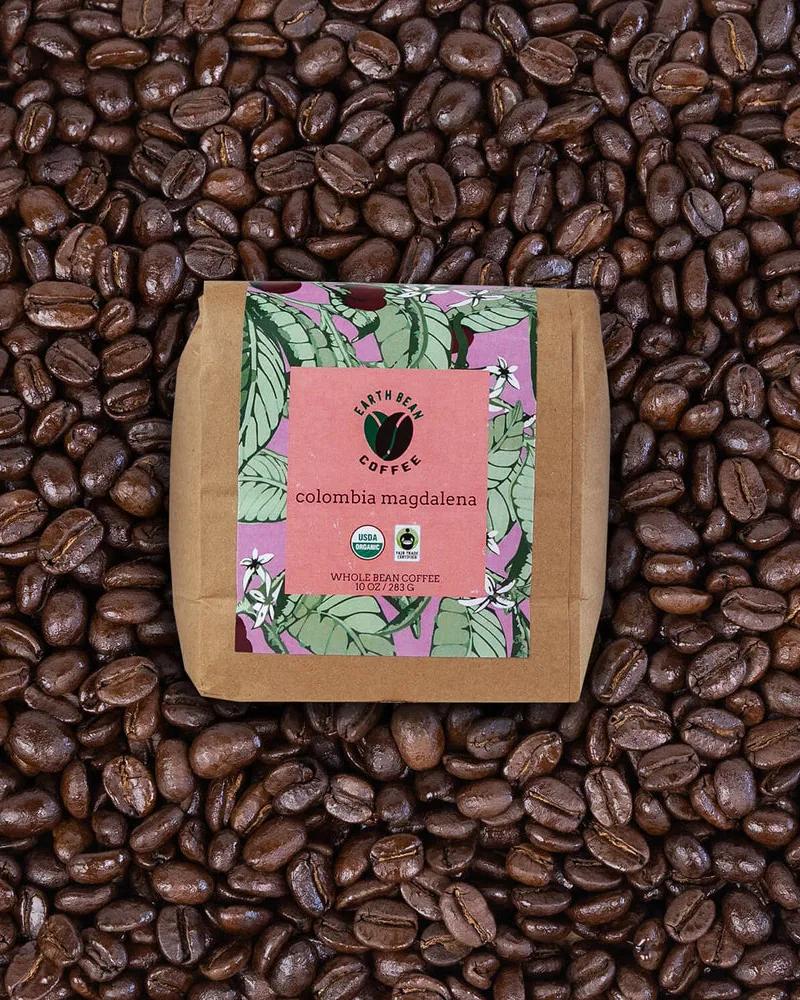
Earth Bean Coffee
Colombia Magdalena
18,00 US$
Medium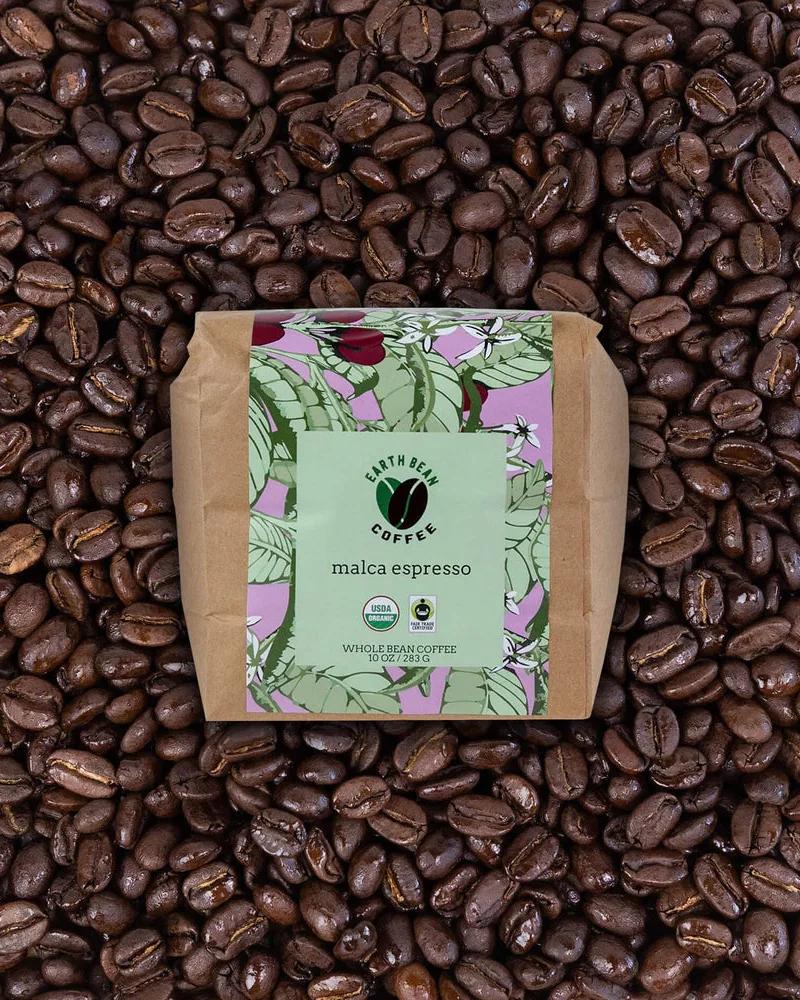
Earth Bean Coffee
Malca (espresso)
17,00 US$
Medium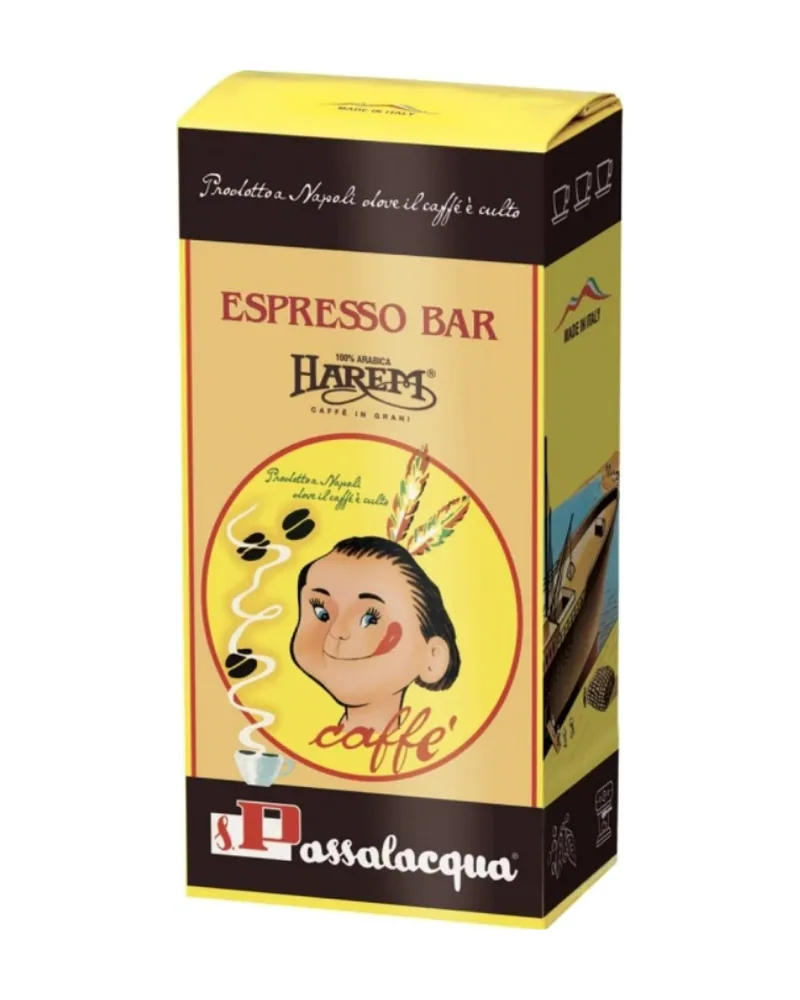
Passalacqua
Harem
19,00 US$
Mörk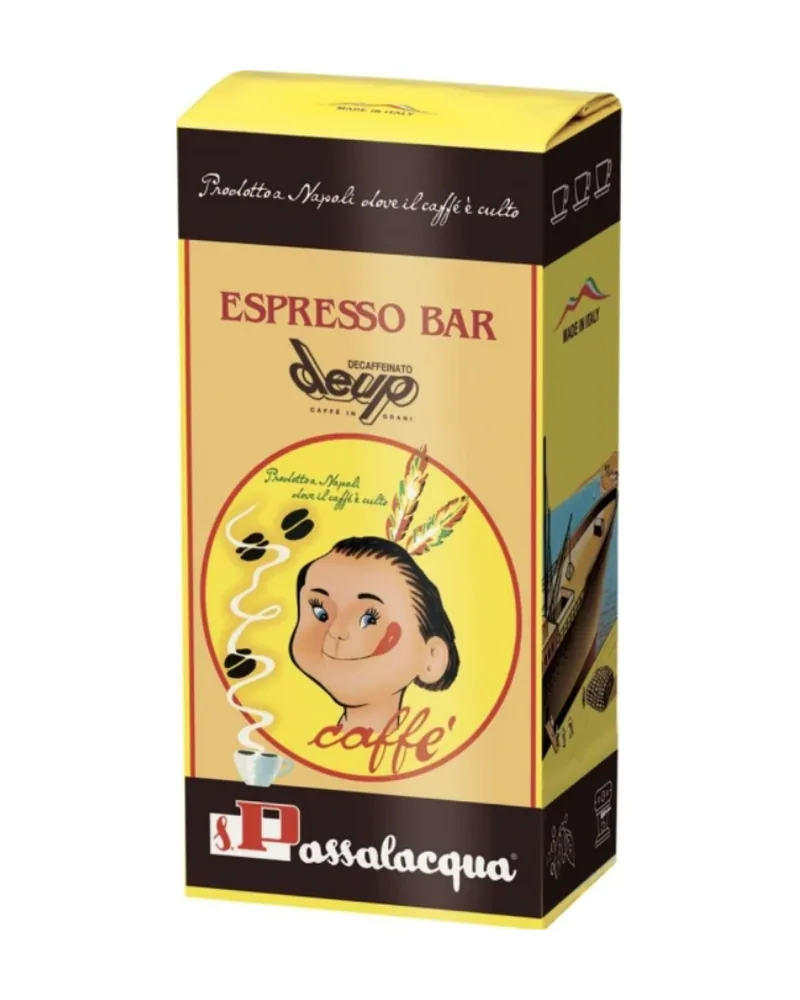
Passalacqua
Deup
14,50 US$
Mörk
Green Cup Coffee
Pacha Mama - BIO
9,90 €

Green Cup Coffee
Tempixque
9,90 €
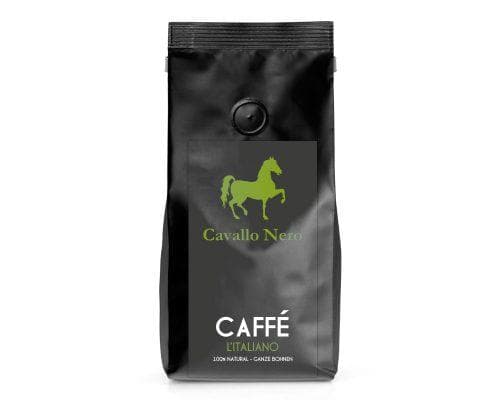
Biotiva
Coffee L'Italiano
12,50 US$
Mörk