 ROAST Coffee
Gatina
Quénia
- Lavado
- Origem única
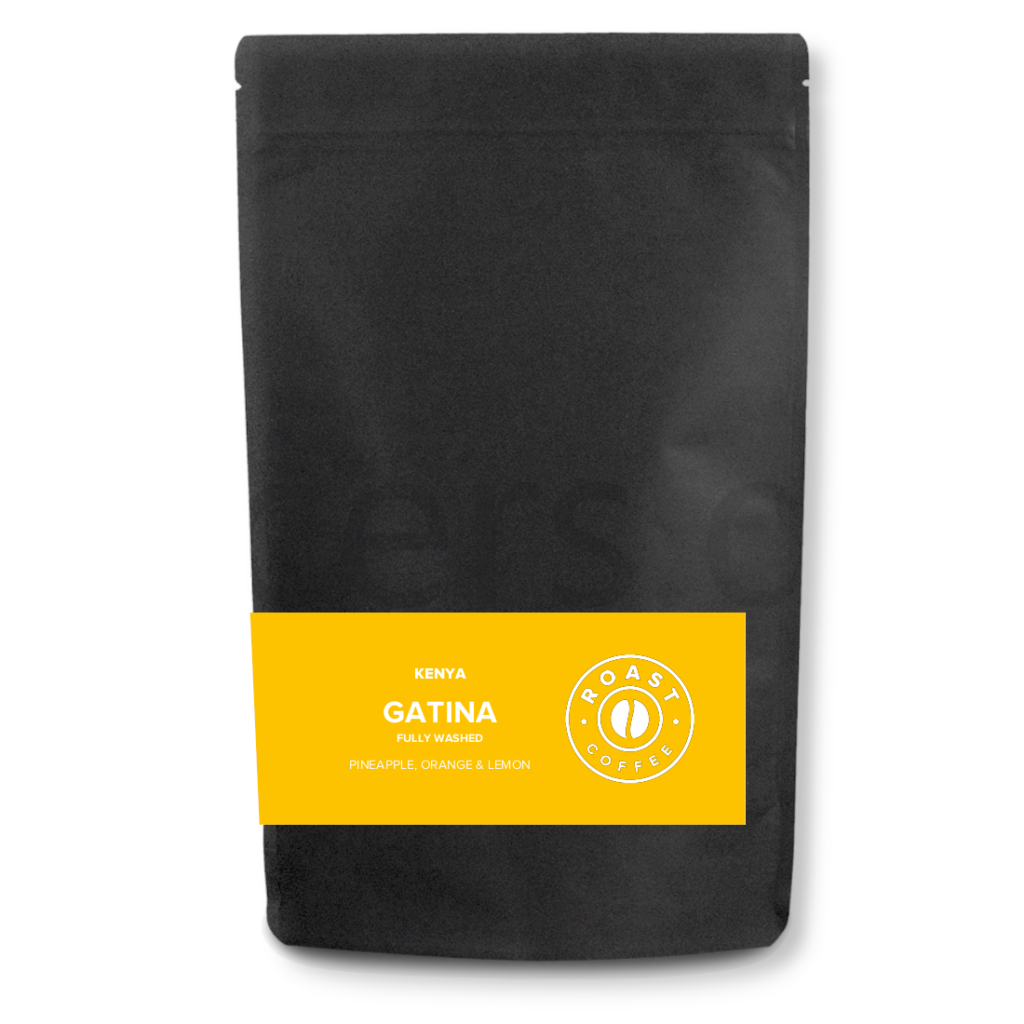
Gatina é um café de Quénia, vendido por ROAST Coffee (Alemanha). Processo: lavado. Variedade: Batian, Ruiru 11, SL28, SL34. As notas de prova do torrefador: pineapple, orange, lemon. Preço: 17,00 €.
Ainda sem classificação · Seja o primeiro a avaliá-lo
17,00 €
Vai ser levado à loja da torrefação para concluir a compra.
- Torrefação sediada em
- Alemanha
- Enviar para
- Portugal · Consulte a loja da torrefação
- Country: Kenya (Nyeri)
- Processing: Fully Washed
- Varietal: Batian, Ruiru 11, SL28, SL34
- Altitude: 1800-2050 MASL
- Farmers: 790 smallholder farmers
- Roast: 99 agtron (very light)
- Tasting notes: Pineapple, orange & lemon
Perfil de sabor
A partir dos dados indicados pela loja da torrefação.
Notas de prova
- Pineapple
- Orange
- Lemon
Descrição
Small farm sizes of just a few hundred trees per farmer means that farming families can more easily apply specialty coffee cultivation techniques. Thanks to their focus and with support from Mugaga Farmers’ Cooperative Society, the typical Kenyan profile in this coffee is carefully preserved from the members’ fields to the dry mill and beyond.
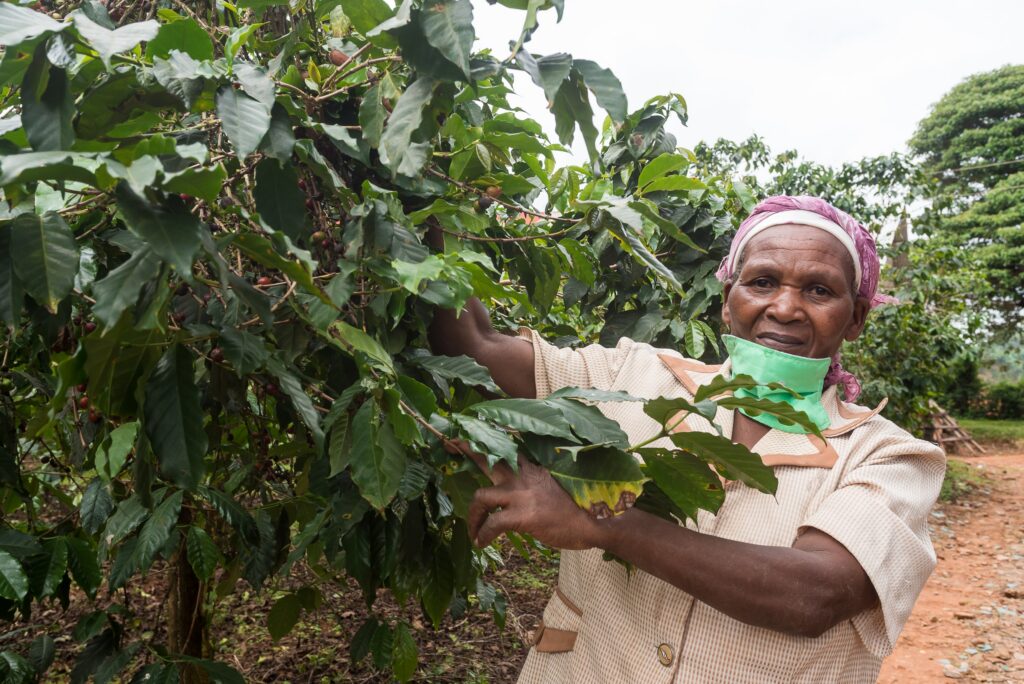
Gatina Washing Station sits a few kilometers outside the town of Karatina in Nyeri County. The station was built in 1968, nestled between the western slopes of Mt. Kenya and the eastern slopes of the Aberdares mountains. It is managed by Mugaga Farmers’ Cooperative Society. Today, the station receives cherry from 790 members. Of those, 280 — over 30% — are women.
Cultivation
The 790 members of Gatina station cultivate a total of 142 hectares. This breaks down to about a tenth of a hectare—or a few hundred trees—per farmer. Such small coffee ‘gardens’ makes it possible, vital even, to focus on specialty processing and increase the value per kilogram of cherry picked. Farm labor is usually entirely provided by family members, which can often make maintaining specialty cultivation and picking practices easier. Many of the farmers also grow tea, maize and legumes to consume or sell at local markets for additional cash income.
Harvest & Post-Harvest
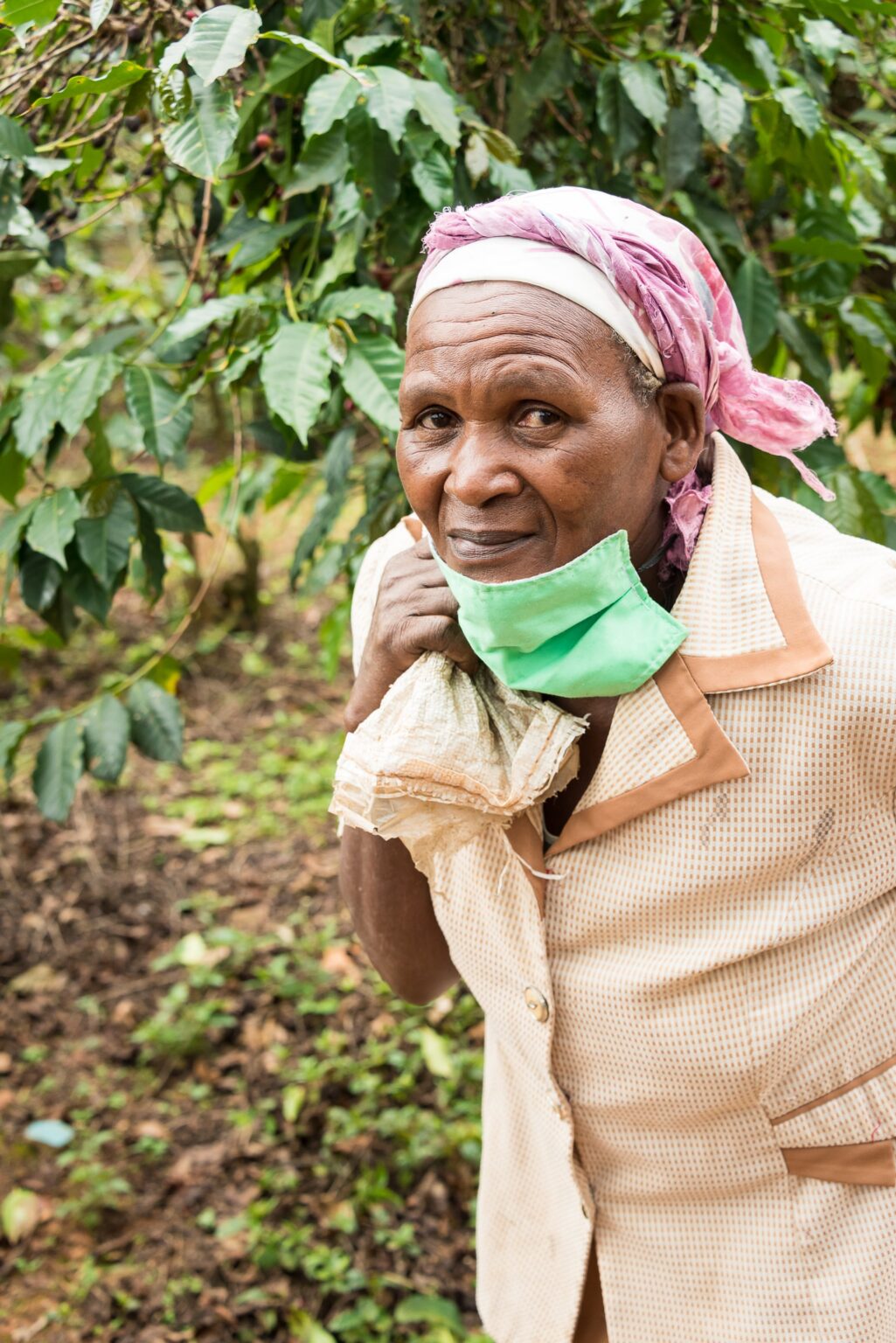
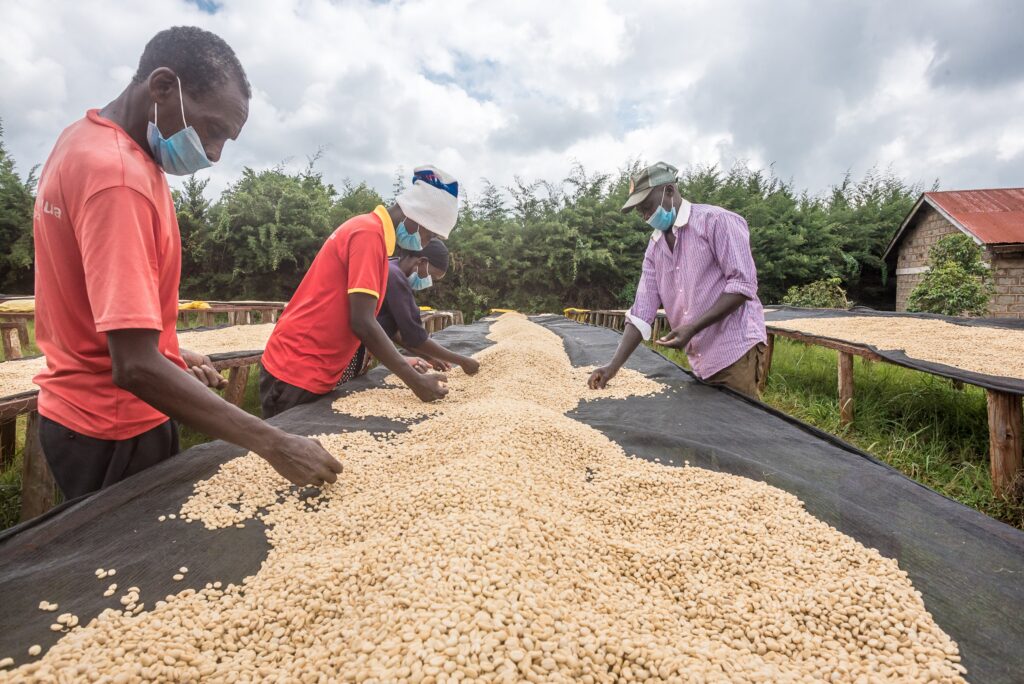
Farmers selectively handpick ripe cherry and deliver it directly to Gatina, or one of the 4 collection points created to ease transport burdens on more distant farms. Cherry is hand sorted at intake and damaged, overripes and underripes are removed before pulping. The role of the cherry clerk, who must ensure that only the ripest cherry is processed, is of paramount importance. Farmers will not be allowed to submit sub-par cherry and must take any rejected cherry home with them to dry on beds or mats. This cherry can then be submitted at the end of the season as mbuni grade for a much lower price. In this way, farmers are incentivized to only pick cherry that is truly at its peak.
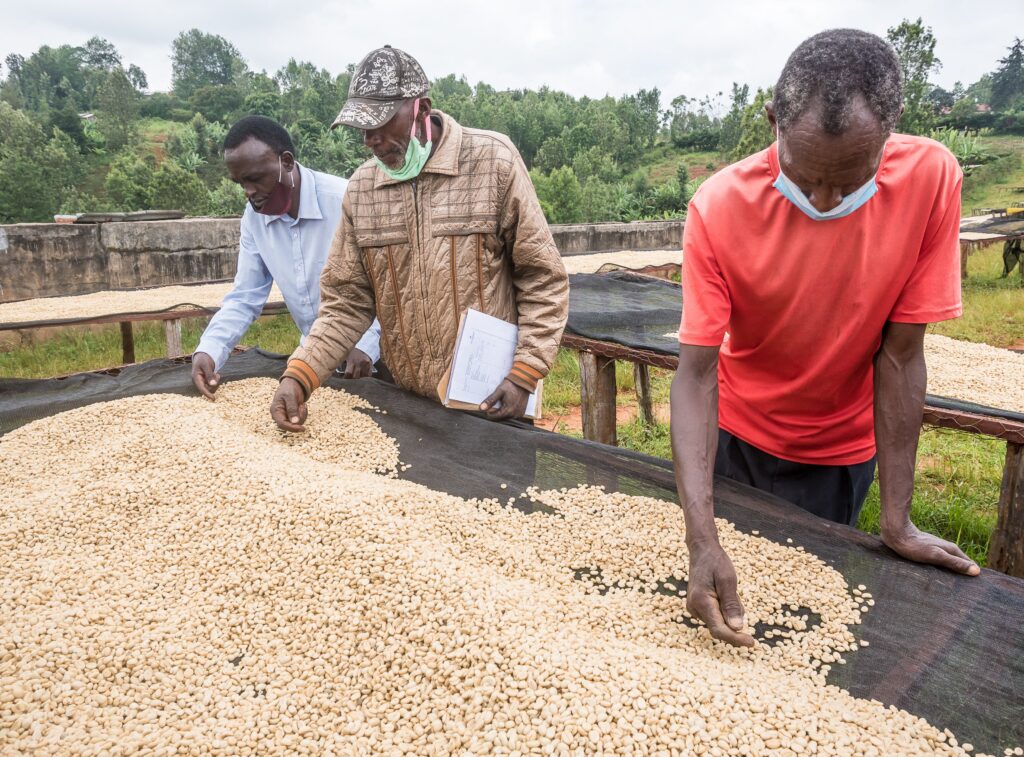
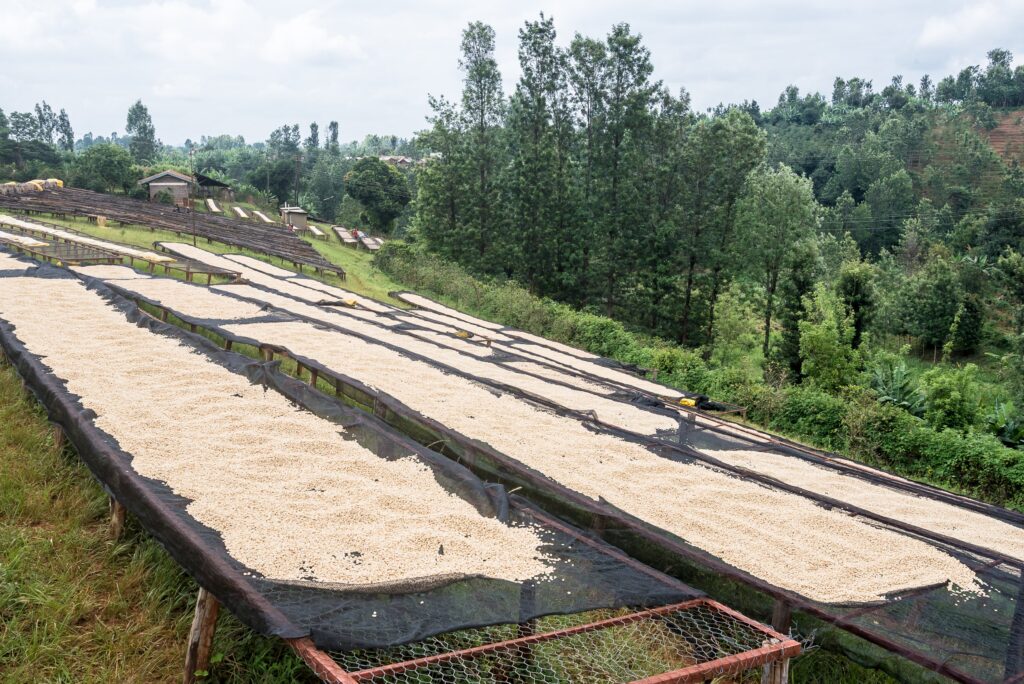
Cherry is pulped with a three-disc pulper and then fermented overnight. All water for pulping and fermentation is drawn from fresh rivers flowing from the many streams on Mt. Kenya and the Aberdares Mountains. Following fermentation, coffee is washed in clean water, soaked and spread to dry on raised drying beds. Parchment dries for 7 to 15 days. Throughout the drying process, parchment is frequently turned to promote even drying and covered during the hottest part of the day to maintain steady temperatures. Employees also inspect drying parchment and remove any damaged or discolored beans.
Once dry, parchment is delivered to Kahawa Bora Millers, one of our Sister company in Kenya. The mill has the capacity to mill smaller lots separately to help preserve quality and traceability.
Mugaga Farmers’ Cooperative Society
Mugaga Farmers’ Cooperative Society manages 5 washing stations and has over 4,800 member farmers. In addition to managing washing stations that help their members garner high prices for their coffee, Mugaga works to alleviate a number of barriers to success that frequently thwart their members.
Many members have low yields due to a combination of a lack of inputs, older rootstock and attacks from pests and disease. Mugaga provides resources to help member farmers improve yields. They also have programs that focus on increasing participation among young people and women in coffee. As we can see from their numbers, they have been very successful so far. A full third of their members are women, which is especially impressive when compared to many other cooperative gender ratios.
Perguntas sobre Gatina
A que sabe Gatina?
As notas de prova do torrefador: pineapple, orange, lemon. Grupos de sabor: frutado e cítrico.
De onde vem Gatina?
Vem de Quénia. Produtor: 790 smallholder farmers. Altitude: 1800–2050 m. Variedade: Batian, Ruiru 11, SL28, SL34.
Como é processado Gatina?
Método de processamento: lavado.
Quanto custa Gatina?
Preço: 17,00 €. Os preços vêm da loja e podem mudar; a loja tem os preços atuais.
Onde posso comprar Gatina?
Na loja online de ROAST Coffee: os preços desta página ligam a ela. A Cafendo não vende café.
Avaliações
Ainda sem avaliações.
Se gosta deste café, experimente estes
Escolhidos entre outras torrefações por origem, processo, torra, notas de prova e preço em comum. Os cafés que as mesmas pessoas guardaram ou classificaram bem contam mais.
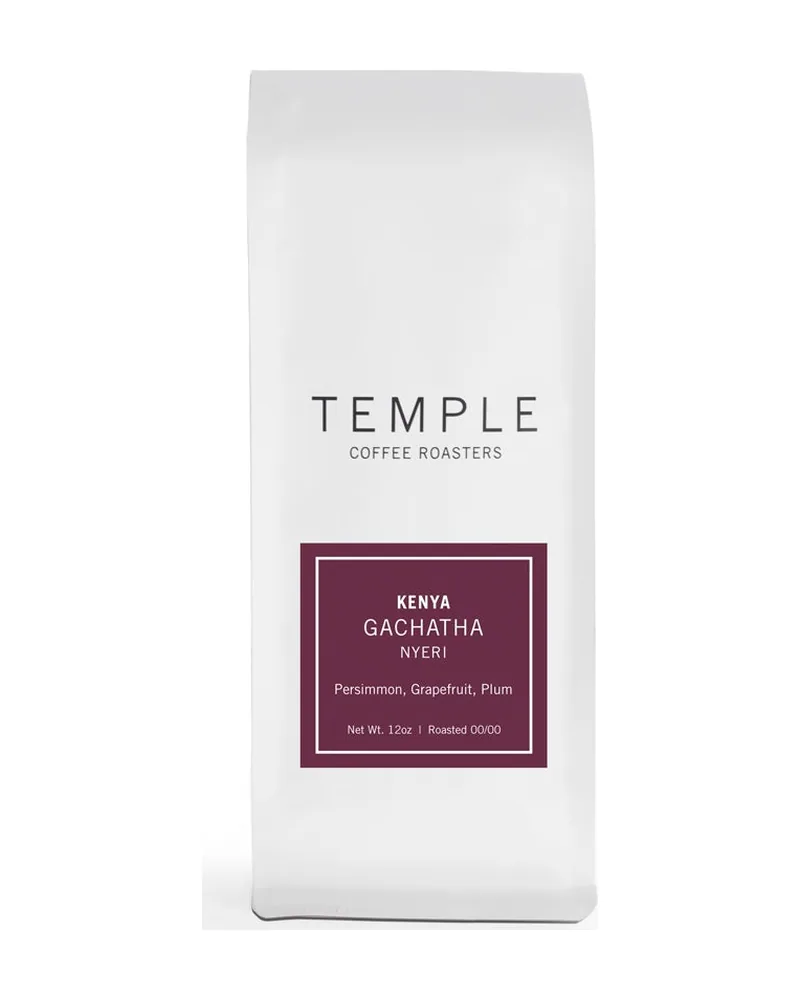
Temple Coffee Roasters
KENYA GACHATHA
20,71 US$
Porquê: QuêniaCítrico · FrutadoLavado
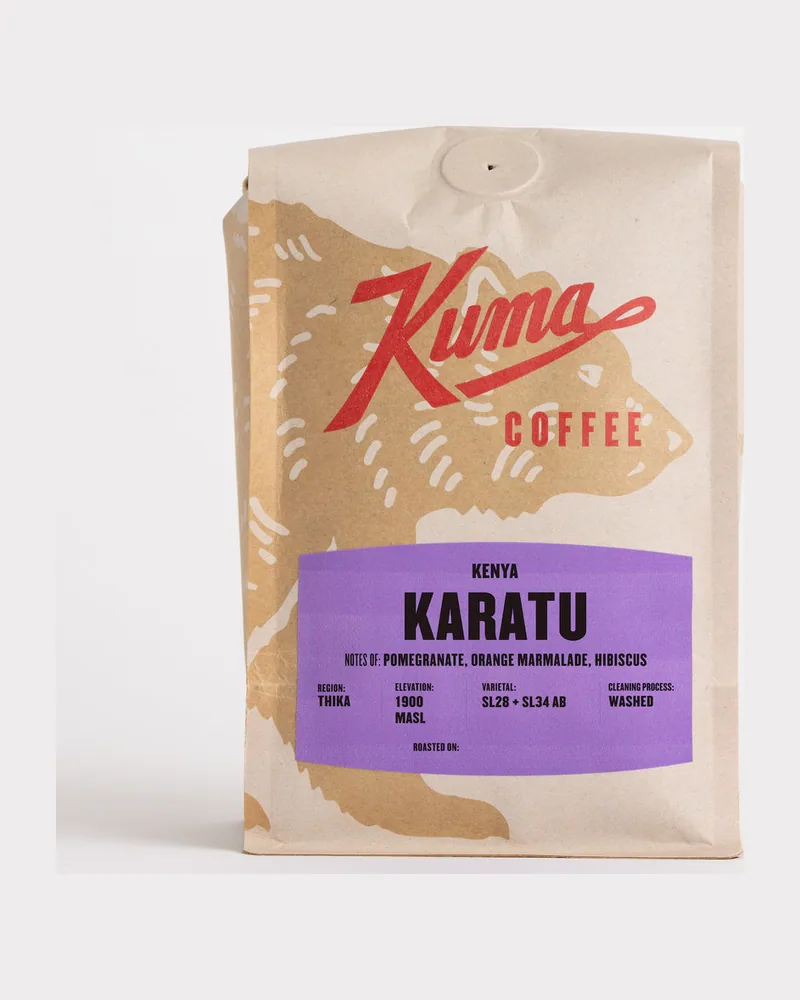
Kuma Coffee
Kenya Karatu *NEW*
25,00 US$
ClaraPorquê: QuêniaCítrico · FrutadoLavado
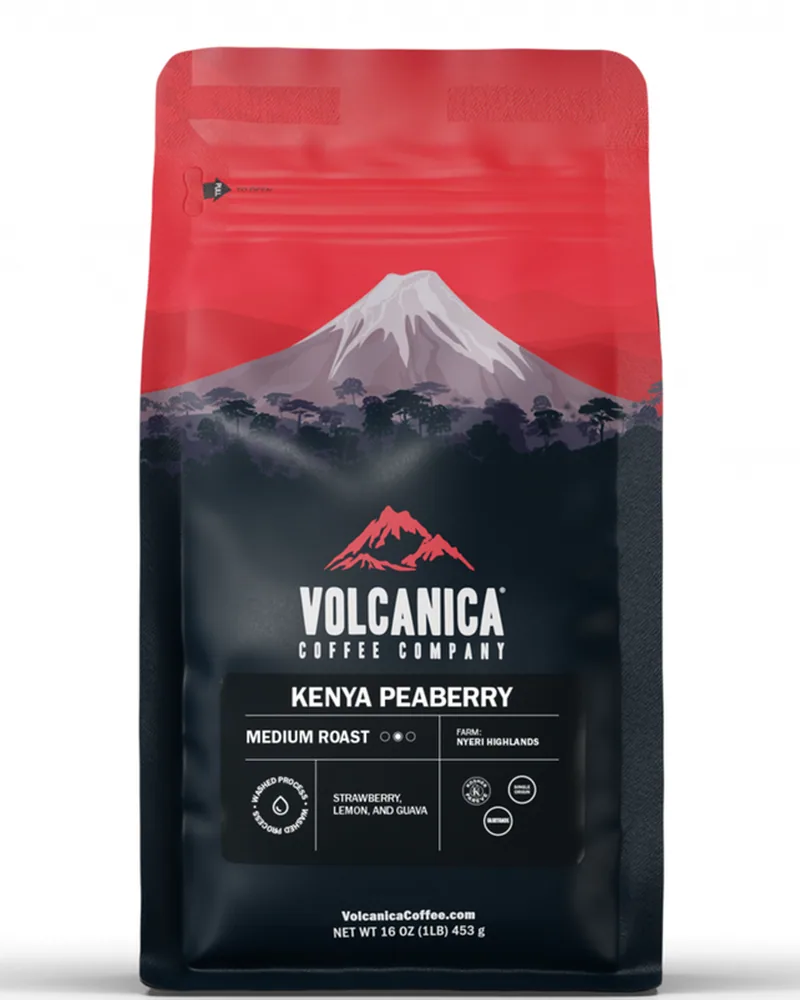
Volcanica Coffee
Kenya Peaberry Coffee
28,99 US$
MédiaPorquê: QuêniaCítrico · FrutadoLavado
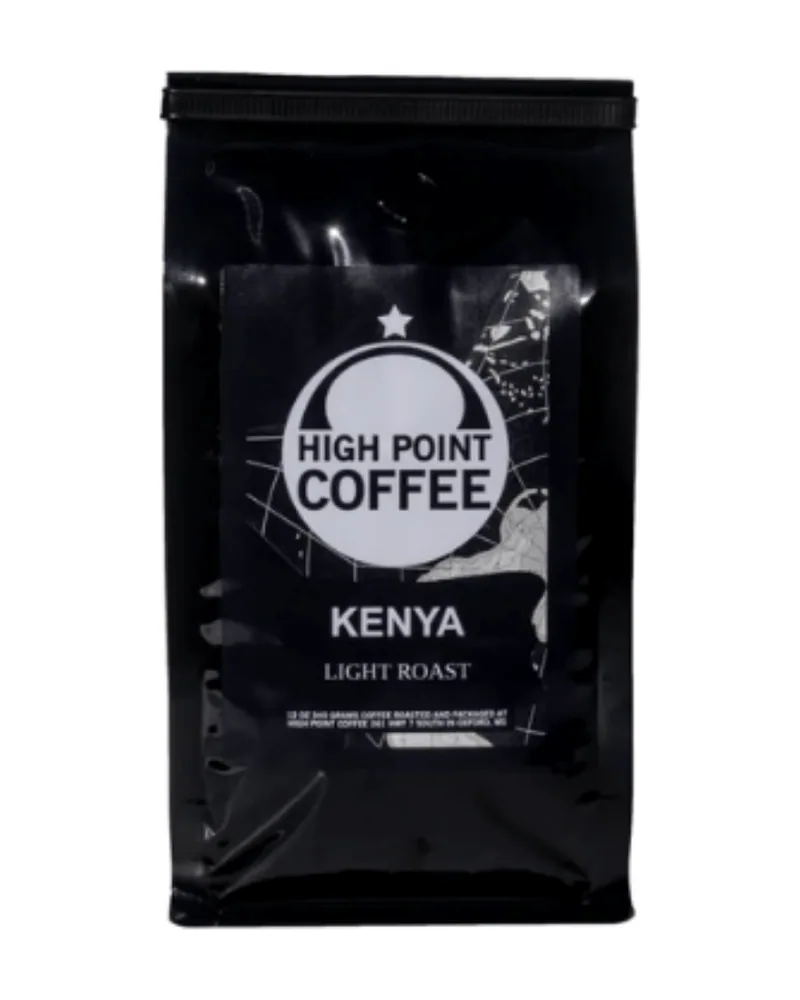
High Point Coffee
Kenya AA
16,25 US$
MédiaPorquê: QuêniaCítrico · FrutadoLavado

Passion House
Take it Slowly
29,00 US$
ClaraPorquê: QuêniaCítrico · FrutadoLavado
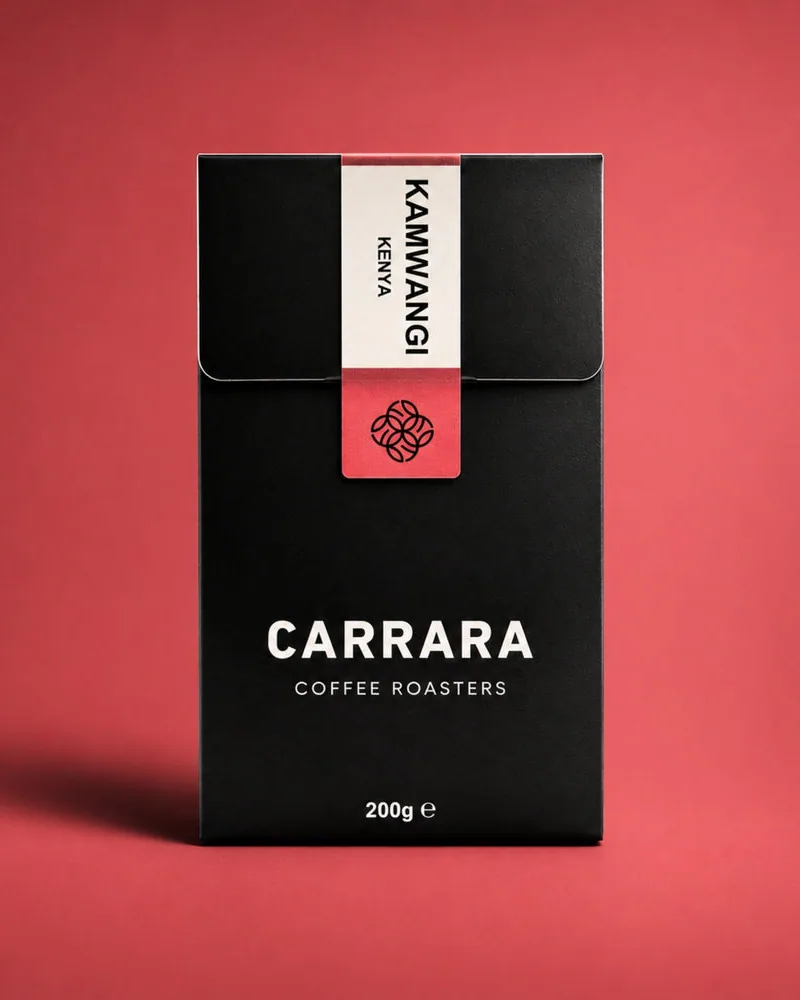
Carrara Coffee Roasters
Kamwangi, Kenya - Fully Washed AB Lot
14,00 £
Porquê: QuêniaCítrico · FrutadoLavado
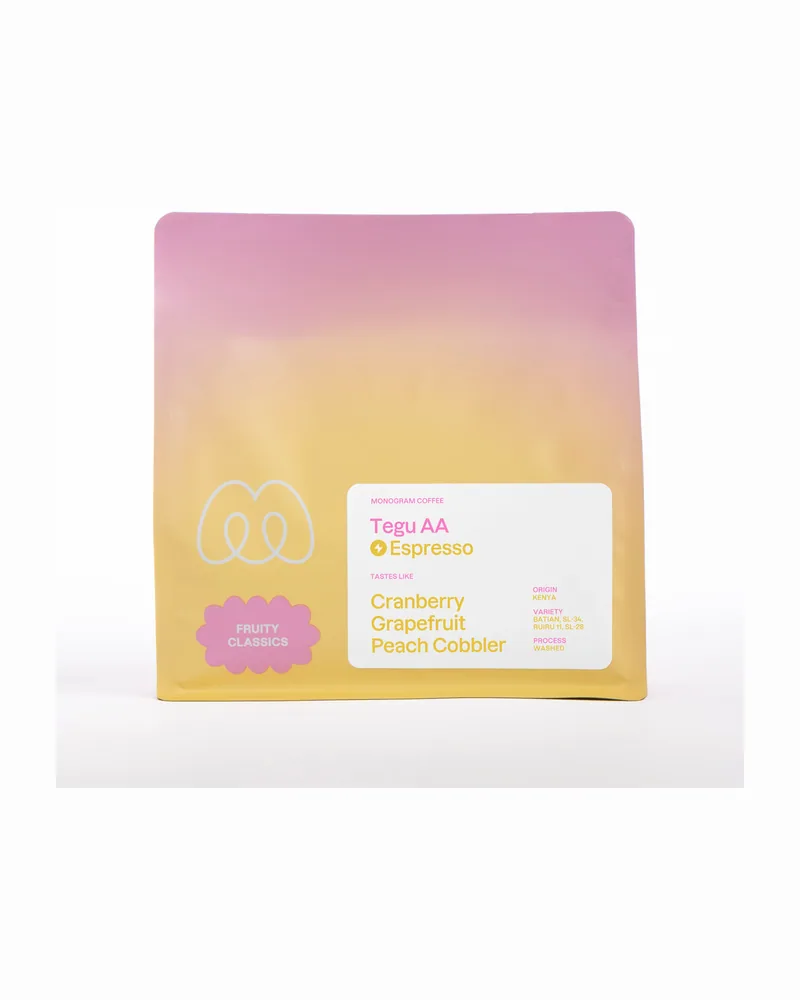
Monogram Coffee
Tegu AA Espresso
33,50 CA$
Porquê: QuêniaCítrico · FrutadoLavado
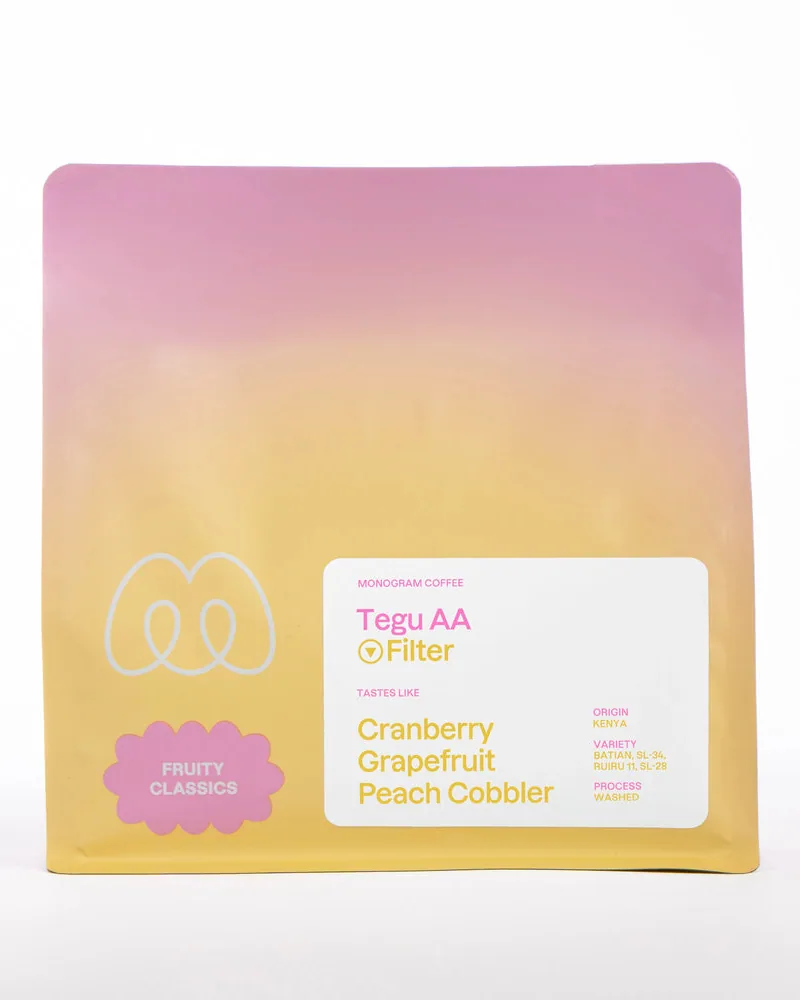
Monogram Coffee
Tegu AA
33,50 CA$
Porquê: QuêniaCítrico · FrutadoLavado