Common Man Coffee Roasters
Finca Aurora Machaca, Bolivia
La Asunta, Bolívia
- Lavado
- Origem única
Finca Aurora Machaca, Bolivia é um café de Bolívia, vendido por Common Man Coffee Roasters (Singapura). Região: La Asunta. Processo: lavado. Variedade: Gesha. As notas de prova do torrefador: apricot, peach. Preço: de 22,50 SGD a 67,50 SGD, consoante o tamanho. Isso equivale a partir de 67,50 SGD por quilo.
Ainda sem classificação · Seja o primeiro a avaliá-lo
de22,50 SGD
≈ 67,50 SGD / kg
Vai ser levado à loja da torrefação para concluir a compra.
- Torrefação sediada em
- Singapura
- Enviar para
- Portugal · Não indicado pela loja da torrefação
Perfil de sabor
A partir dos dados indicados pela loja da torrefação.
Notas de prova
- Apricot
- Peach
Tamanhos e preços
| Moagem | Torra | Conteúdo | Por kg | Preço |
|---|---|---|---|---|
| Em grão | Filter Roast | 250g | 90,00 SGD | 22,50 SGD ↗ |
| Em grão | Espresso Roast | 250g | 90,00 SGD | 22,50 SGD ↗ |
| Moído para espresso | Filter Roast | 250g | 90,00 SGD | 22,50 SGD ↗ |
| Moído para espresso | Espresso Roast | 250g | 90,00 SGD | 22,50 SGD ↗ |
| Moído para AeroPress | Filter Roast | 250g | 90,00 SGD | 22,50 SGD ↗ |
| Moído para AeroPress | Espresso Roast | 250g | 90,00 SGD | 22,50 SGD ↗ |
| Moído para filtro | Filter Roast | 250g | 90,00 SGD | 22,50 SGD ↗ |
| Moído para filtro | Espresso Roast | 250g | 90,00 SGD | 22,50 SGD ↗ |
Mostrar todos os 20
| Moagem | Torra | Conteúdo | Por kg | Preço |
|---|---|---|---|---|
| Moído | Filter Roast | 250g | 90,00 SGD | 22,50 SGD ↗ |
| Moído | Espresso Roast | 250g | 90,00 SGD | 22,50 SGD ↗ |
| Em grão | Filter Roast | 1kg | 67,50 SGD | 67,50 SGD ↗ |
| Em grão | Espresso Roast | 1kg | 67,50 SGD | 67,50 SGD ↗ |
| Moído para espresso | Filter Roast | 1kg | 67,50 SGD | 67,50 SGD ↗ |
| Moído para espresso | Espresso Roast | 1kg | 67,50 SGD | 67,50 SGD ↗ |
| Moído para AeroPress | Filter Roast | 1kg | 67,50 SGD | 67,50 SGD ↗ |
| Moído para AeroPress | Espresso Roast | 1kg | 67,50 SGD | 67,50 SGD ↗ |
| Moído para filtro | Filter Roast | 1kg | 67,50 SGD | 67,50 SGD ↗ |
| Moído para filtro | Espresso Roast | 1kg | 67,50 SGD | 67,50 SGD ↗ |
| Moído | Filter Roast | 1kg | 67,50 SGD | 67,50 SGD ↗ |
| Moído | Espresso Roast | 1kg | 67,50 SGD | 67,50 SGD ↗ |
Descrição
Region: La Asunta
Producer: Juan Carlos Huanca
Altitude: 1550 MASL
Variety: Gesha
Process: Washed
Tasting Notes: Apricot, Peach, Mild Pecan
About Finca La Asunta
Coffee first arrived in the Yungas region of northeast La Paz in Bolivia in the 18th century. It is not known for certain how it arrived, but it was likely introduced by enslaved people from Africa and was consumed locally by landowners rather than cultivated for export. Through the 19th century, Bolivia would export far less coffee than its neighbours, primarily to a European market, and for most of the 20th century, coca dominated the agricultural industry, making up a shocking 95% of Bolivia's agricultural market. This eventually came as a reality check for the Bolivian state to introduce crop diversification initiatives, coffee being one of them.
La Asunta was one of the known coca producing regions, so much so that it reached a point of monocropping and overproduction, creating near irreversible damage to the soil. Ever since initiatives to plant coffee, biodiversity has slowly recovered and brought back balance to the ecosystem. To learn from the past of coca, producers of La Asunta use natural fertilisers to ensure healthy yields for as long as possible.
Juan Carlos Huanca was born in the Camacho province, arriving in the Yungas region in 1992 with his father who was a coffee grower at the time. Following in his footsteps, Juan decided to pursue commercial coffee cultivation in 2004, when he bought his own land in La Asunta. To experience coffee from La Asunta is, in itself, a rarity, as the majority of established production comes from Caranavi. A Gesha varietal nonetheless. However, this coffee is a result of perseverance. In the beginning, he planted the Creole (or Criollo) variety and a terrible disease would destroy all of his plants, leaving him and his livelihood devastated. But it's through the support of his family, especially his wife, that he tried again despite the difficulties. For the renewal of crops, he planted Catuaí and Gesha and has cared for them ever since, to produce specialty-grade coffee. Today, he's able to support his family and three children through coffee, and has taken on new challenges to produce exotic varieties, constantly improving from one harvest to the next.
Finca La Asunta is a 7-hectare farm with 3 hectares dedicated to coffee, the rest for citrus and other sustenance crops such as plantain, guama, guava, lime, and yuca. Production is considered very small at 2250kg per year, but the care and quality speak for themselves. This lot is processed at the Latabol mill, where it is sorted and depulped before undergoing a dry fermentation for 22 hours, then dried on raised beds for 7–14 days depending on weather.
Perguntas sobre Finca Aurora Machaca, Bolivia
A que sabe Finca Aurora Machaca, Bolivia?
As notas de prova do torrefador: apricot, peach. Grupos de sabor: frutado.
De onde vem Finca Aurora Machaca, Bolivia?
Vem de Bolívia. Região: La Asunta. Produtor: Juan Carlos Huanca. Altitude: 1550 m. Variedade: Gesha.
Como é processado Finca Aurora Machaca, Bolivia?
Método de processamento: lavado.
Quanto custa Finca Aurora Machaca, Bolivia?
Preço: de 22,50 SGD a 67,50 SGD, consoante o tamanho. Isso equivale a partir de 67,50 SGD por quilo. Os preços vêm da loja e podem mudar; a loja tem os preços atuais.
Onde posso comprar Finca Aurora Machaca, Bolivia?
Na loja online de Common Man Coffee Roasters: os preços desta página ligam a ela. Segundo a sua loja, entrega em Singapura. A Cafendo não vende café.
Avaliações
Ainda sem avaliações.
Se gosta deste café, experimente estes
Escolhidos entre outras torrefações por origem, processo, torra, notas de prova e preço em comum. Os cafés que as mesmas pessoas guardaram ou classificaram bem contam mais.
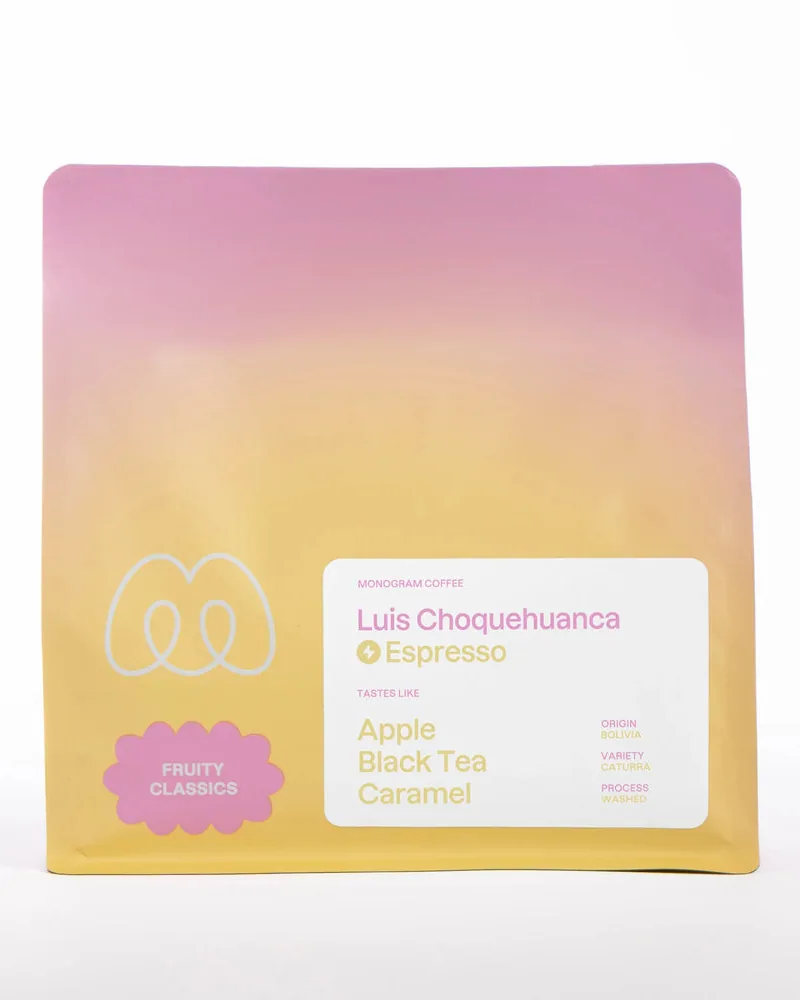
Monogram Coffee
Luis Choquehuanca Espresso
28,00 CA$
Porquê: BolíviaFrutadoLavado
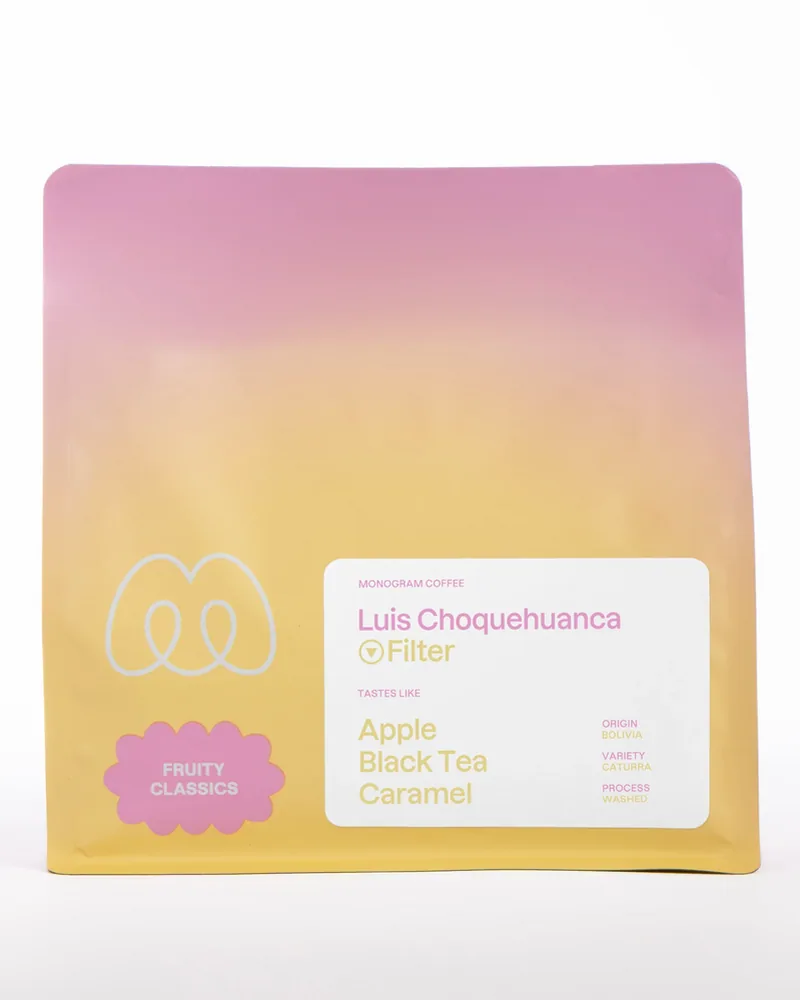
Monogram Coffee
Luis Choquehuanca
28,00 CA$
Porquê: BolíviaFrutadoLavado
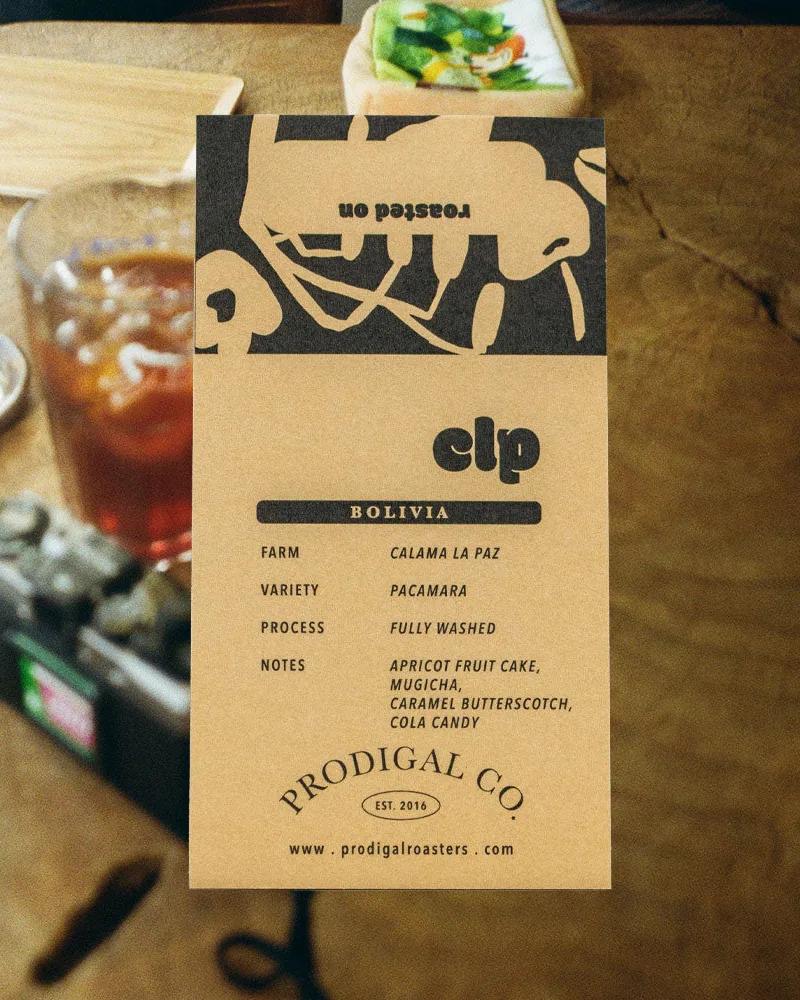
Prodigal Roasters
Bolivia CLP Pacamara
36,00 SGD
Porquê: BolíviaFrutadoLavado
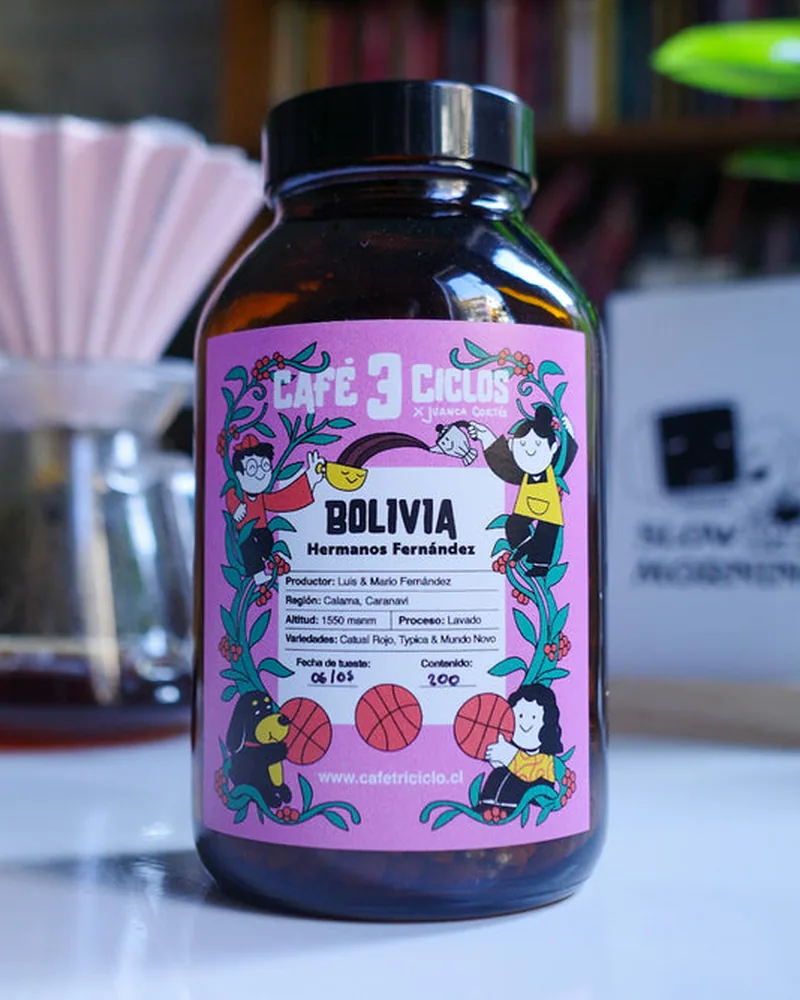
Café Triciclo
CAFE 3CICLOS : BOLIVIA HERMANOS FERNANDEZ X @JUANCA.CORTES
12 000 CLP
Porquê: BolíviaFrutadoLavado
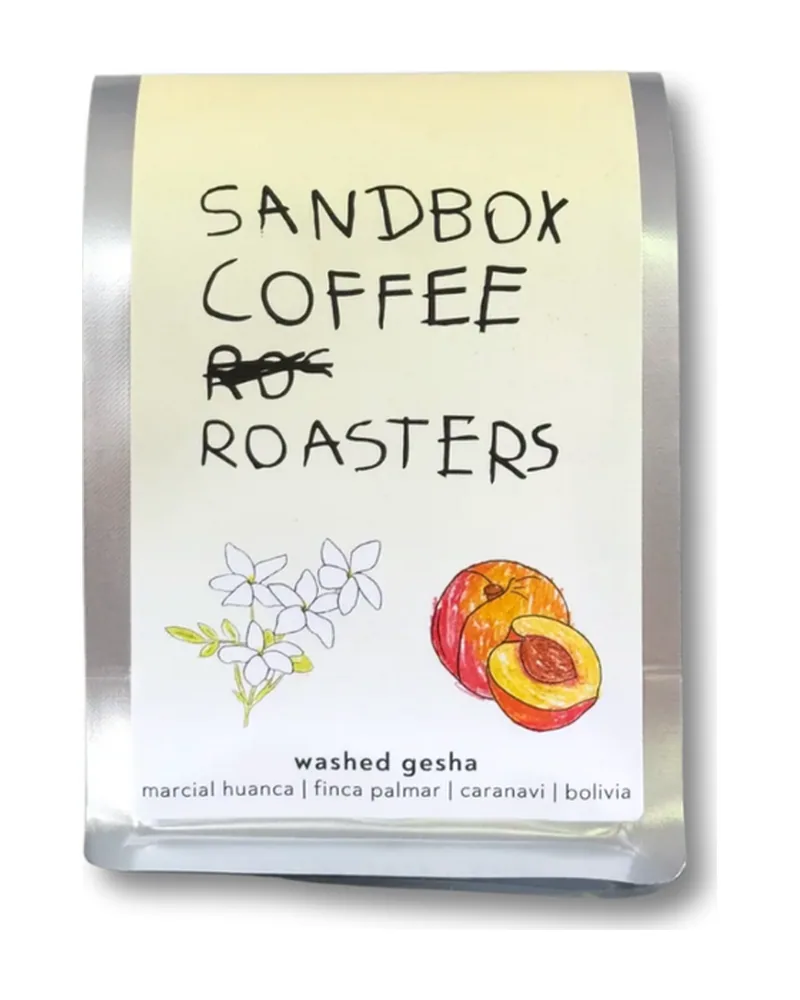
The Right Roast
Marcial Huanca Washed Gesha
19,20 £24,00 £
Porquê: BolíviaLavadoPreço semelhante
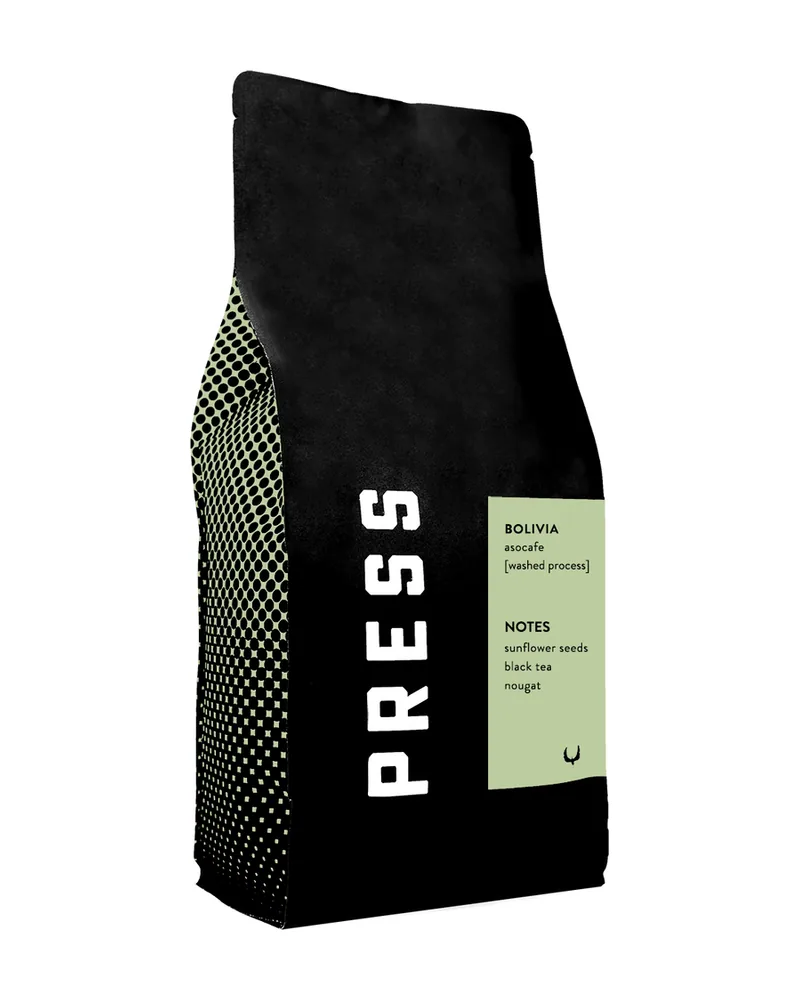
Press Coffee
Bolivia ASOCAFE
28,00 US$
Porquê: BolíviaLavadoPreço semelhante
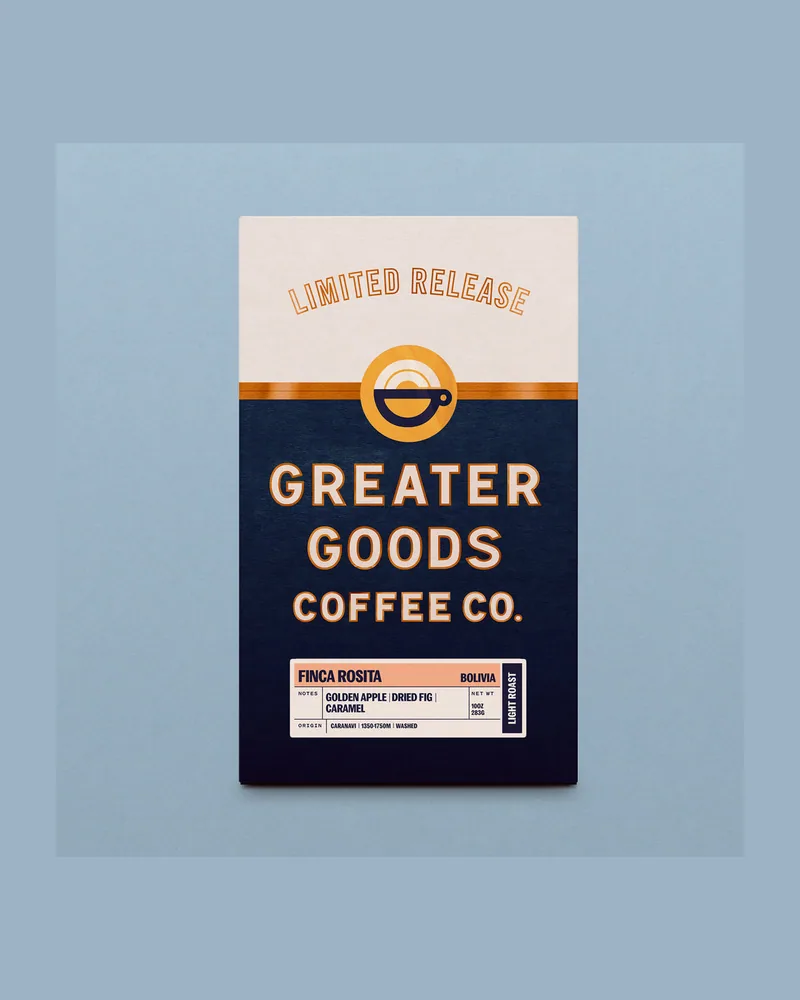
Greater Goods Roasting
Finca Rosita - Bolivia
15,00 US$
ClaraPorquê: BolíviaLavadoPreço semelhante
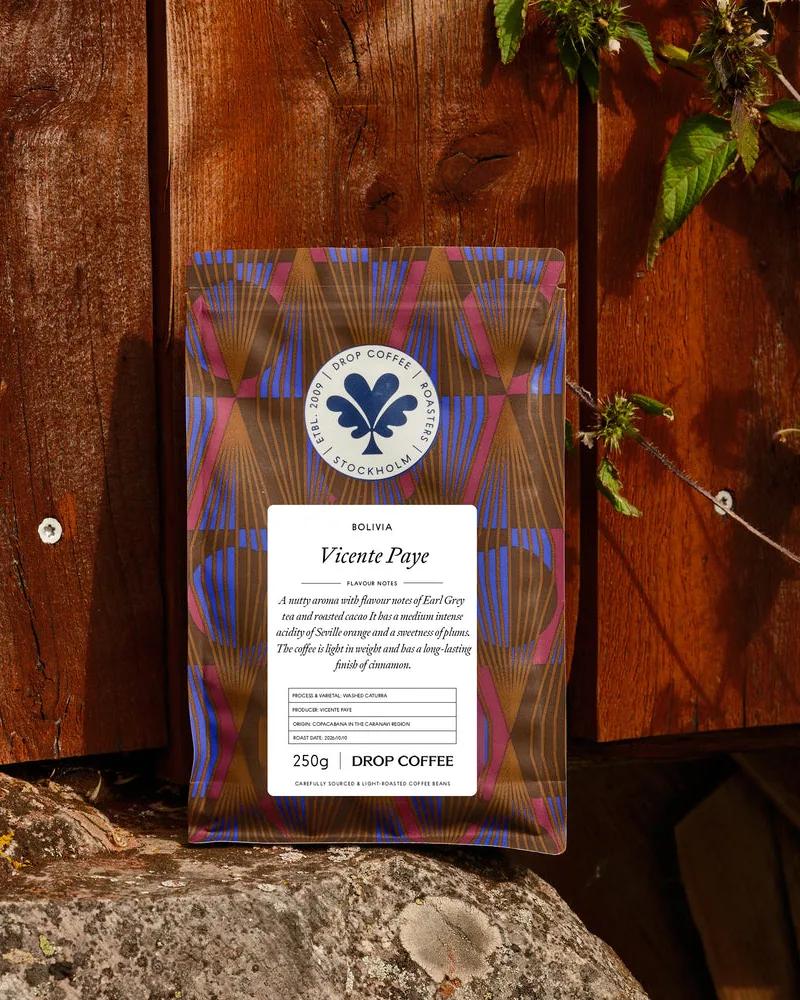
Drop Coffee Roasters
Vicente Paye, Washed Caturra, Bolivia
230,00 SEK
Porquê: BolíviaLavadoPreço semelhante