Five Elephant
COLOMBIA La Violeta Sidra – Filter
Colômbia
- Origem única
COLOMBIA La Violeta Sidra – Filter é um café de Colômbia, vendido por Five Elephant (Alemanha). Preço: de 21,03 € a 71,87 €, consoante o tamanho. Isso equivale a partir de 71,87 € por quilo.
Ainda sem classificação · Seja o primeiro a avaliá-lo
de21,03 €
≈ 71,87 € / kg
Vai ser levado à loja da torrefação para concluir a compra.
- Torrefação sediada em
- Alemanha
- Enviar para
- Portugal · ✓ Sim, segundo a loja da torrefação
Tamanhos e preços
Descrição
La Violeta is one of Rafael Aya Martínez’s farms in La Florida, near Timaná in southern Huila. This year, we stayed overnight on the farm, walked the land with Rafael, cupped through his coffees together, and visited his new café in Timaná. The visit gave us a clearer view of how his work connects cultivation, processing, and the local coffee culture he is helping build around his own coffees.
Rafael began working in coffee as a picker at 15. By 21, he had saved enough to buy his first hectare of land, which he planted with Caturra. In 2014, he entered SENA, Colombia’s national training service, where he received three years of coffee training while continuing to experiment on the farm. Later, some of his Caturra lots were used by baristas in competitions, and Rafael has said that this recognition made him fall more deeply in love with coffee and motivated him to plant more varieties.
Sidra is part of that decision. Rafael planted varieties such as Sidra, Pacamara, Bourbon Ají, and F6 because he was drawn to coffees with distinctive cup potential and because he wanted to produce coffees that could be appreciated by people looking closely at variety, process, and quality. Sidra, in particular, has gained attention in Ecuador and Colombia for its floral aromatics, refined sweetness, and structured acidity. It is not a variety chosen only for productivity. It is chosen for the way it can taste when cultivated and processed with care.
At 1750 masl, La Violeta gives Sidra the cooler conditions needed for slower maturation. This slower development can help build sweetness, acidity, and aromatic complexity in the seed before harvest. For a variety known for florals and clarity, that matters. The goal is not weight or heavy fermentation character, but definition: a cup that carries aroma, sweetness, and structure without becoming blurred.
Rafael’s approach to fermentation is based on observation rather than fixed time alone. He has explained that he watches the coffee through sugar level and sensory change, stopping fermentation when the coffee begins to lose sweetness and starts to show wine like notes. At that point, the process is interrupted by washing and the coffee is moved to the marquesina for drying. This detail is important because long fermentation only works when the producer knows when to stop it.
For Sidra and Pacamara, Rafael described a process in which the coffee ferments covered, then spends one day open before being washed and moved to the marquesina. This is a more restrained approach than some of his longest fermentations. It allows the coffee to develop aromatic complexity and texture, while limiting the risk of pushing the variety too far into heavy process character.
In coffee fermentation, yeasts and bacteria metabolize sugars in the fruit and mucilage, producing alcohols, organic acids, esters, and other aromatic compounds. Oxygen exposure, temperature, cherry ripeness, and time all influence which compounds develop and how quickly. Covered fermentation restricts oxygen and slows certain forms of microbial activity, while opening the coffee for a shorter period changes the environment before washing. For a variety like Sidra, this kind of control matters because its more delicate aromatics can be lost if fermentation becomes too aggressive.
The semi washed finish gives the coffee additional texture while preserving clarity. After fermentation and depulping, part of the mucilage remains on the parchment during drying. This retained mucilage can contribute sweetness and body, but it also requires careful drying to avoid instability. The coffee is dried in the marquesina, a covered drying structure that protects the parchment while allowing airflow. In Huila’s mountain conditions, this helps Rafael manage moisture loss gradually and keep the cup clean.
Sidra’s cup profile is typically more about aromatic lift and fine structure than heavy fruit. In Rafael’s hands, the semi washed process is not used to cover the variety, but to frame it. The fermentation adds depth, the retained mucilage adds texture, and the washing keeps the coffee precise.
La Violeta Sidra Semi Washed shows a different side of Rafael’s work from the more fruit driven natural lots. It is built around a variety known for florals and clarity, processed with enough fermentation to add complexity, then washed and dried to keep the cup defined.
Perguntas sobre COLOMBIA La Violeta Sidra – Filter
De onde vem COLOMBIA La Violeta Sidra – Filter?
Vem de Colômbia.
Quanto custa COLOMBIA La Violeta Sidra – Filter?
Preço: de 21,03 € a 71,87 €, consoante o tamanho. Isso equivale a partir de 71,87 € por quilo. Os preços vêm da loja e podem mudar; a loja tem os preços atuais.
Onde posso comprar COLOMBIA La Violeta Sidra – Filter?
Na loja online de Five Elephant: os preços desta página ligam a ela. Segundo a sua loja, entrega em Alemanha, Ilha de Ascensão, Andorra, Emirados Árabes Unidos, Afeganistão, Antígua e Barbuda e 231 outros países. A Cafendo não vende café.
Avaliações
Ainda sem avaliações.
Se gosta deste café, experimente estes
Escolhidos entre outras torrefações por origem, processo, torra, notas de prova e preço em comum. Os cafés que as mesmas pessoas guardaram ou classificaram bem contam mais.
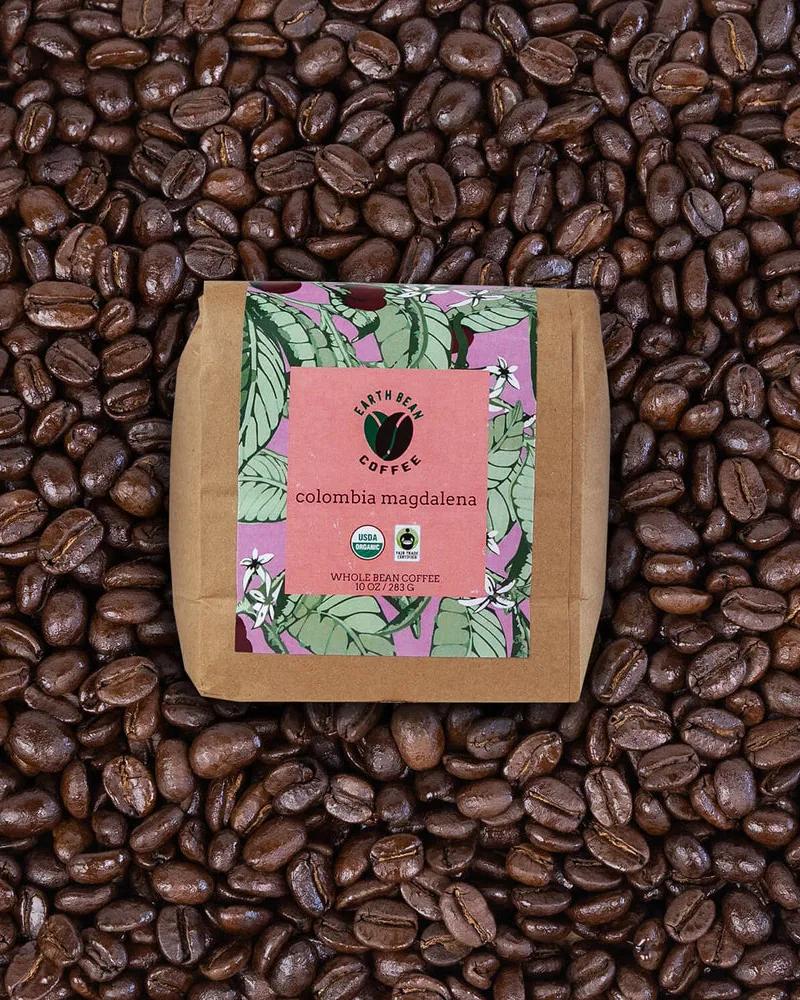
Earth Bean Coffee
Colombia Magdalena
18,00 US$
MédiaPorquê: ColômbiaPreço semelhante
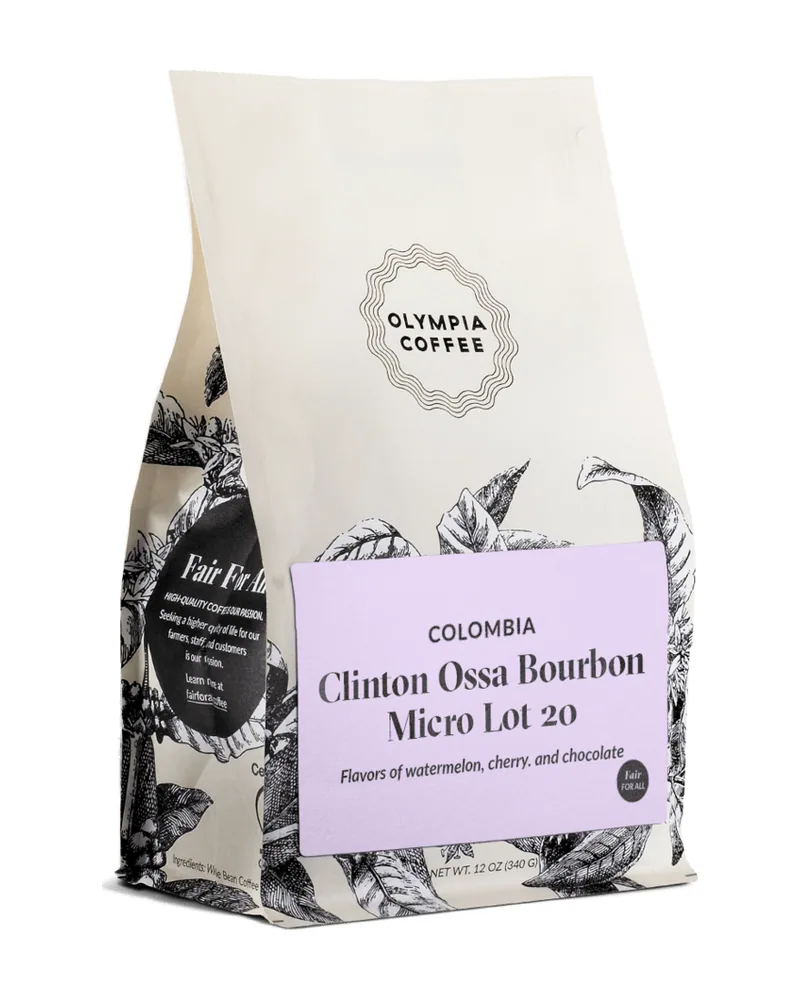
Olympia Coffee
COLOMBIA Clinton Ossa Bourbon Micro Lot 20
22,17 US$
Porquê: ColômbiaPreço semelhante
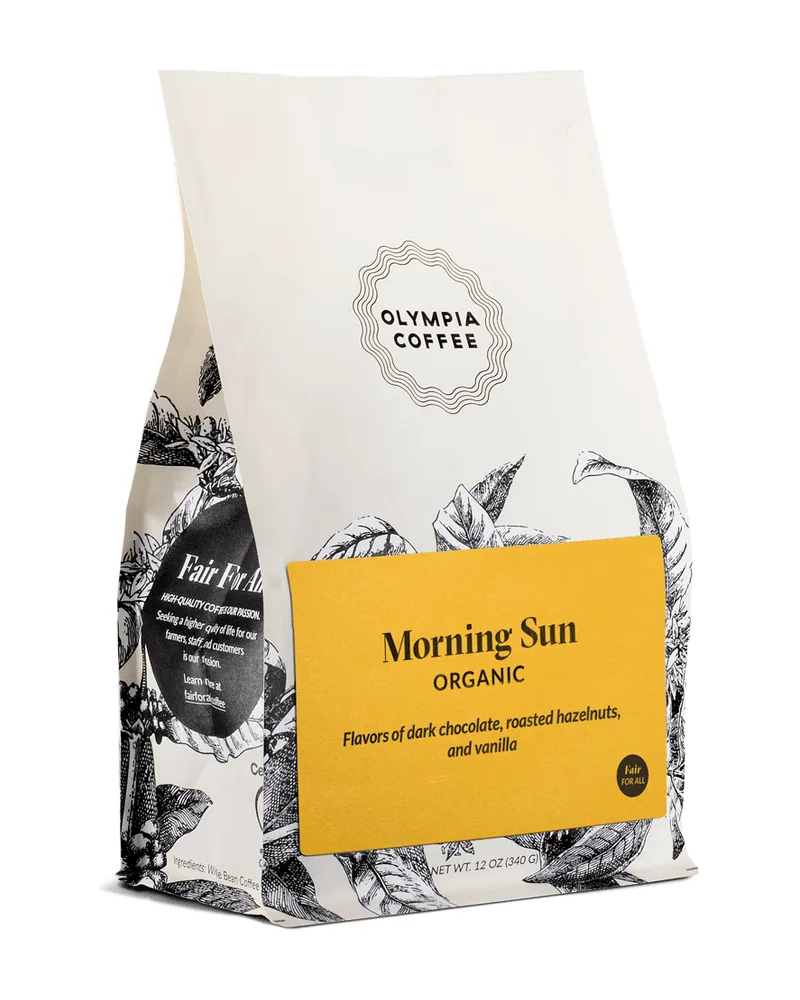
Olympia Coffee
COLOMBIA Morning Sun Organic
14,17 US$
Porquê: ColômbiaPreço semelhante
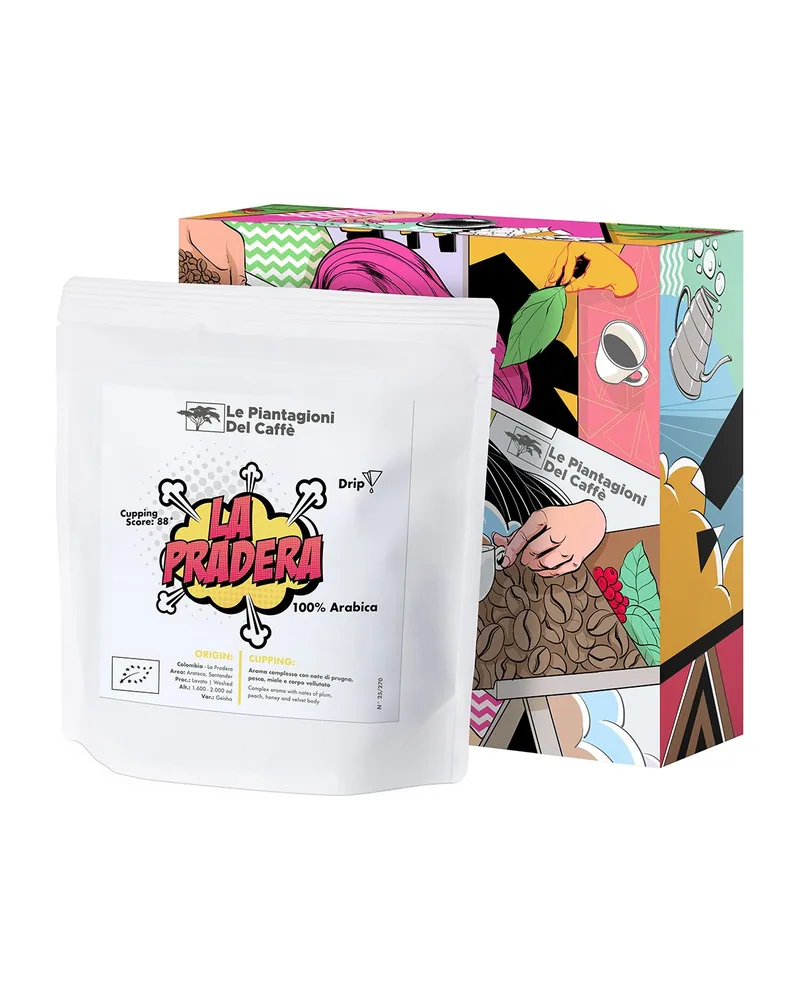
Le Piantagioni Del Caffè
LA PRADERA
25,50 US$
Porquê: ColômbiaPreço semelhante
Smokin' Aces Coffee
Juan Tama
16,91 US$
Porquê: ColômbiaPreço semelhante
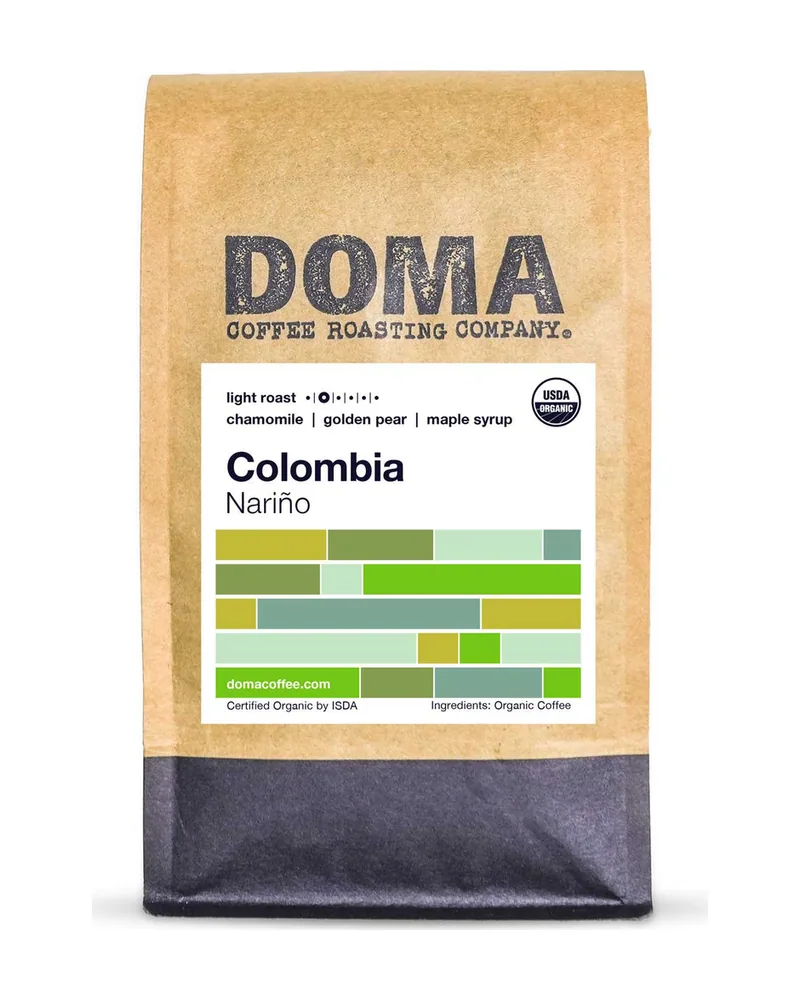
DOMA Coffee
COLOMBIA
22,50 US$
Porquê: ColômbiaPreço semelhante
Bocca Della Verita
Colombia
24,90 US$
MédiaPorquê: ColômbiaPreço semelhante
Zodiac Coffee Roasters
Rising Sign: Colombia
15,91 US$
MédiaPorquê: ColômbiaPreço semelhante