Carabica
Casa de Luz aus Costa Rica | Honey Process
Costa Rica
- Honey
- Origem única
Casa de Luz aus Costa Rica | Honey Process é um café de Costa Rica, vendido por Carabica (Kirchzarten, Alemanha). Processo: honey. Preço: de 10,00 € a 35,00 €, consoante o tamanho. Isso equivale a partir de 35,00 € por quilo.
Ainda sem classificação · Seja o primeiro a avaliá-lo
de10,00 €
≈ 35,00 € / kg
Vai ser levado à loja da torrefação para concluir a compra.
- Torrefação sediada em
- Alemanha
- Enviar para
- Portugal · Não indicado pela loja da torrefação
Tamanhos e preços
Descrição
Character: Brittle, blossom honey, caramel, and milk chocolate
Casa de Luz from Costa Rica
100% Arabica with honey process
Casa de Luz is a coffee for anyone who likes their cup sweet, full-bodied, and smooth. We find notes of brittle, caramel, and milk chocolate, along with a pronounced sweetness that reminds us of blossom honey.
This coffee comes from Costa Rica and is produced by Luz Marina Trujillo. The honey process gives it a full body and pronounced sweetness without making it feel heavy.
For us, Casa de Luz is one of those coffees that doesn’t have to be tied to a single brewing method. As a filter coffee, it’s smooth and sweet; in an AeroPress, it develops plenty of body; and in an espresso machine, it can become a dense, almost syrupy espresso.
Luz Marina Trujillo and Santa Elena
Behind Casa de Luz is Luz Marina Trujillo, who comes from a family of coffee producers and has been producing coffee herself in Costa Rica for many years.
Her coffee is grown and processed at Santa Elena. The farm and its Beneficiadora are located in Costa Rica and handle several processing steps themselves.
Luz has been deeply involved in coffee quality for many years, and her coffees have also earned her a name in international quality competitions.
Cup of Excellence Costa Rica
In 2007, a coffee from Beneficiadora Santa Elena was recognized at Cup of Excellence Costa Rica.
The lot scored 86.37 points and took 14th place in the competition.
At Cup of Excellence, coffees are evaluated over several tasting rounds, first by a national jury and then by an international one. Of course, a single competition result doesn’t automatically say anything about every subsequent harvest.
It does show, however, that Santa Elena has been producing coffees that have stood out for their quality on the international stage for many years.
Honey process
Casa de Luz is processed using the honey process.
After harvest, the outer skin of the coffee cherry is removed. However, some of the sticky fruit layer remains on the seed during drying.
That’s where the name honey process comes from. The process has nothing to do with real honey.
Depending on how much fruit pulp remains on the seed, how long the coffee dries, and how fermentation proceeds, this process can have a pronounced effect on the coffee’s body, sweetness, and fruitiness.
What we especially like about Casa de Luz is the combination of caramel, brittle, milk chocolate, and a sweetness that really does remind us of blossom honey.
Specific projects around the farm
Thanks to Luz’s commitment, employees and the local community also benefit from specific projects.
Housing is provided at Santa Elena for seasonal workers. Various reports about the farm also document access to medical care and the provision of treated drinking water.
According to the information available to us, projects related to a school and library have also been supported in the region.
Specific measures are also in place for cultivation
Organic waste from coffee processing is reused at Santa Elena. Coffee pulp is composted and returned to the farm’s nutrient cycle.
The farm also uses a system to treat the water generated during coffee processing.
For filter, AeroPress, and espresso
Casa de Luz is designed to be versatile. As a filter coffee, it makes a sweet, full-bodied cup with plenty of caramel and milk chocolate.
In an AeroPress, the coffee becomes denser and bolder. That’s exactly why we find this brewing method especially interesting.
Casa de Luz also works very well in an espresso machine. The texture becomes noticeably more syrupy, and the sweetness more concentrated.
It works well with milk, too. In a flat white, the chocolate and caramel notes pair beautifully with the natural sweetness of the milk.
Our AeroPress recommendation
For the AeroPress, start with 14 grams of coffee and 220 grams of water.
The water should be about 92–94°C. Grind the coffee medium-fine.
First, pour about 50 grams of water over the coffee and stir briefly. After about 30 seconds, pour in the remaining water until you reach 220 grams.
After about 1 minute and 30 seconds, begin pressing slowly. The brew should be finished after about 1 minute and 45 seconds to 2 minutes.
This recipe brings out the coffee’s sweetness, body, and caramel notes in particular.
Casa de Luz as espresso
For an espresso machine, we’d start with 18–19 grams of coffee.
As a starting point, we recommend about 40–44 grams of espresso in the cup, with a shot time of around 27–32 seconds.
The brewing temperature can be about 92–93°C.
The goal is a dense, sweet espresso with plenty of caramel and milk chocolate, and a long, smooth aftertaste.
This coffee is especially enjoyable as a flat white.
Our packaging
Our current coffee packaging is made of an aluminum-free mono-material. Its recyclability was assessed using Interzero’s Made for Recycling process, formerly known as Interseroh.
This doesn’t automatically mean that every individual bag will actually be recycled after disposal. However, the packaging meets the requirements assessed in the testing process for collection, sorting, and material recycling.
After use, the bag should be placed in Germany’s yellow bin or yellow bag.
Who is Casa de Luz for?
Casa de Luz is a good fit if you like your coffee sweet and full-bodied.
If caramel, brittle, honey, and milk chocolate sound more appealing to you than lemon and jasmine.
If you like experimenting with different brewing methods.
Or if you want a coffee that works in a pour-over in the morning and can also end up as a flat white from an espresso machine in the afternoon.
Casa de Luz isn’t a coffee that needs to be especially loud.
It’s simply a really enjoyable coffee to drink.
Perguntas sobre Casa de Luz aus Costa Rica | Honey Process
De onde vem Casa de Luz aus Costa Rica | Honey Process?
Vem de Costa Rica.
Como é processado Casa de Luz aus Costa Rica | Honey Process?
Método de processamento: honey.
Quanto custa Casa de Luz aus Costa Rica | Honey Process?
Preço: de 10,00 € a 35,00 €, consoante o tamanho. Isso equivale a partir de 35,00 € por quilo. Os preços vêm da loja e podem mudar; a loja tem os preços atuais.
Onde posso comprar Casa de Luz aus Costa Rica | Honey Process?
Na loja online de Carabica: os preços desta página ligam a ela. Segundo a sua loja, entrega em Alemanha. A Cafendo não vende café.
Avaliações
Ainda sem avaliações.
Se gosta deste café, experimente estes
Escolhidos entre outras torrefações por origem, processo, torra, notas de prova e preço em comum. Os cafés que as mesmas pessoas guardaram ou classificaram bem contam mais.
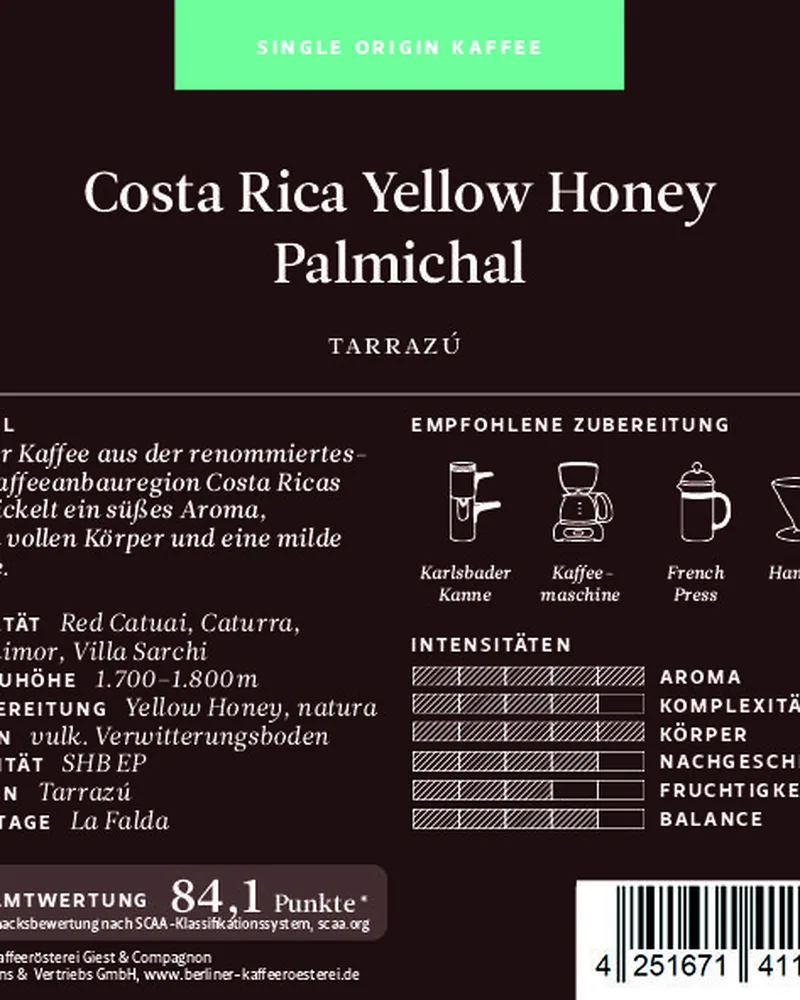
Berliner Kaffeerösterei
Costa Rica SHB Yellow Honey Palmichal La Falda Estate
8,25 US$
MédiaPorquê: Costa RicaHoneyPreço semelhante
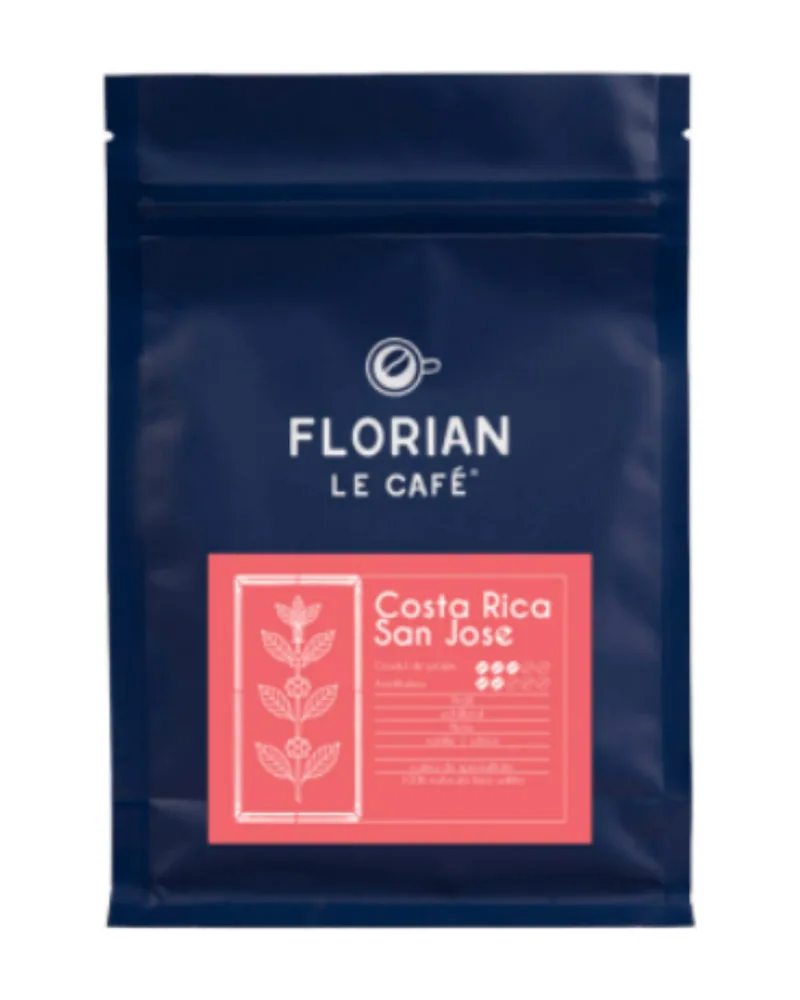
Florian le Café
COSTA RICA SAN JOSE - BLACK HONEY - Florian
8,49 US$
MédiaPorquê: Costa RicaHoneyPreço semelhante
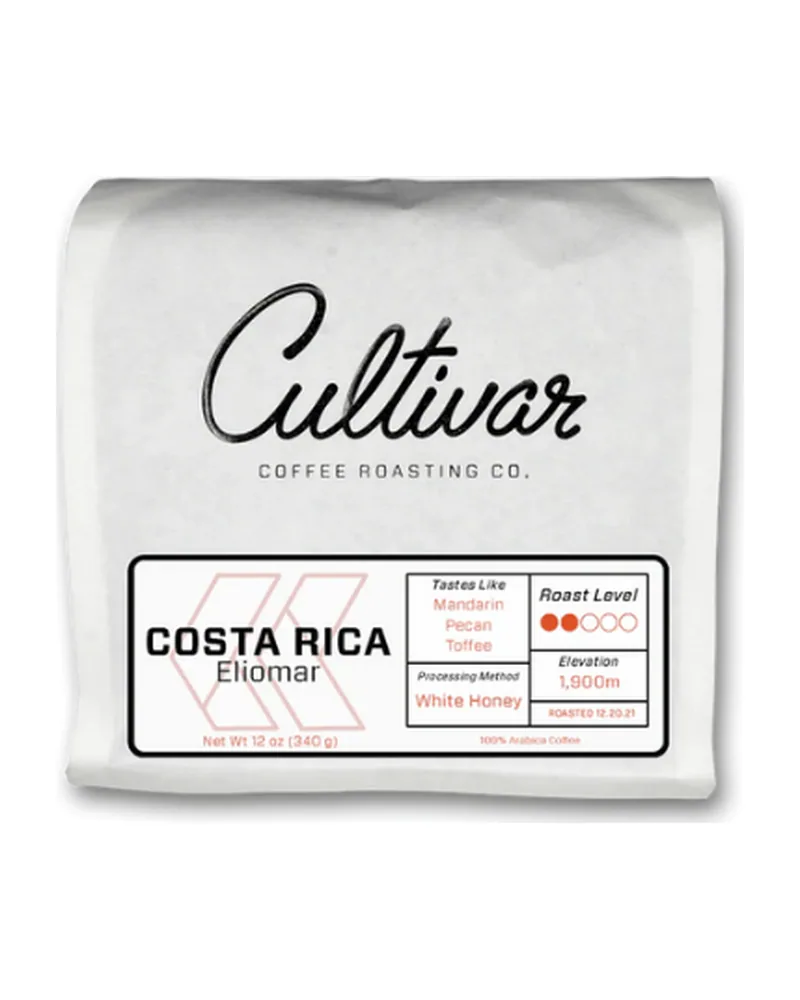
Cultivar Coffee
COSTA RICA ELIOMAR
16,83 US$
MédiaPorquê: Costa RicaHoneyPreço semelhante
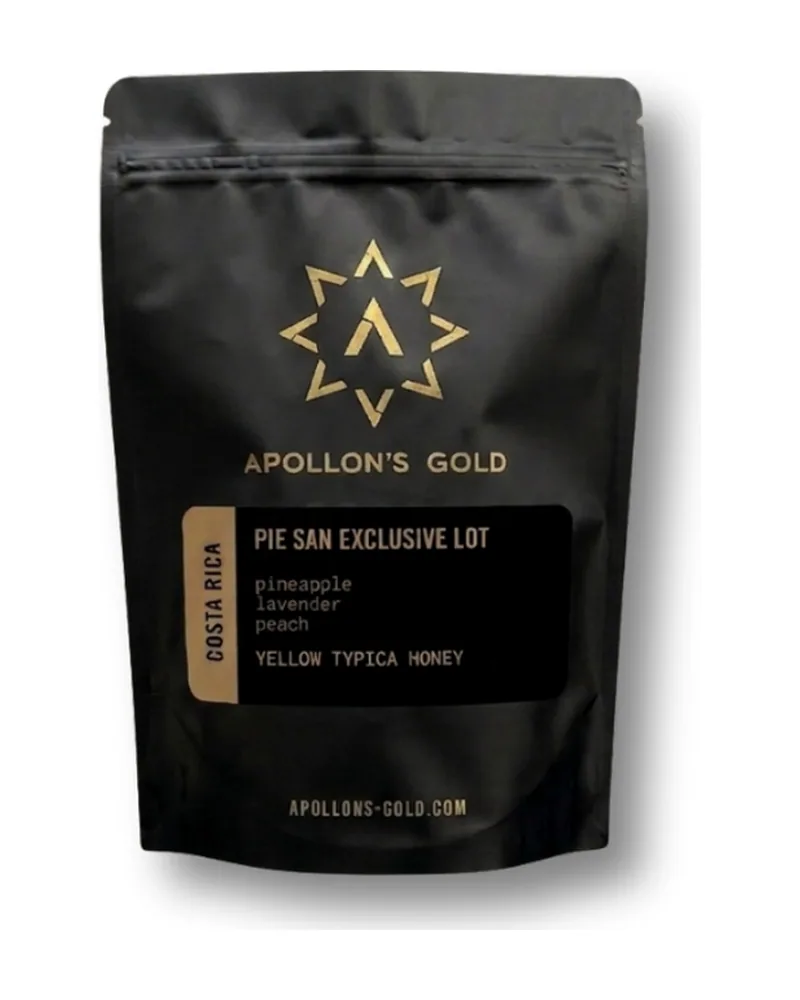
The Right Roast
Pie San, Costa Rica (Exclusive lot)
12,80 £16,00 £
Porquê: Costa RicaHoneyPreço semelhante
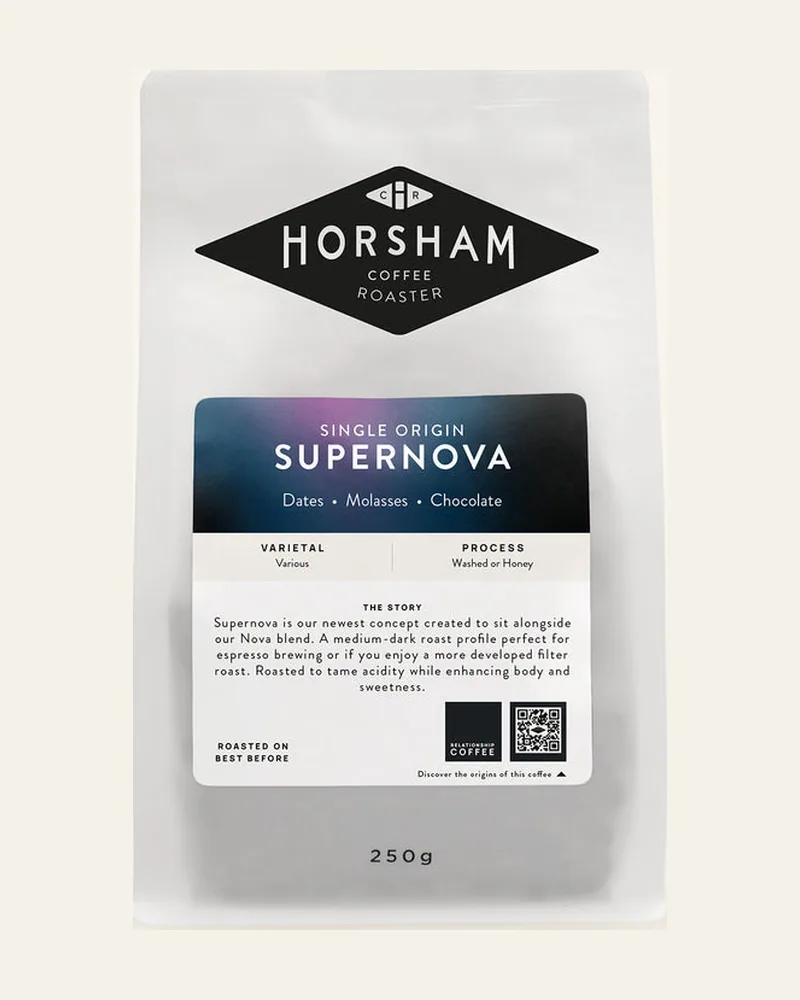
Horsham Coffee Roaster
Supernova
10,50 £
EscuraPorquê: Costa RicaHoneyPreço semelhante
Springtown roasters
Costa Rica Honey Process
18,00 US$
MédiaPorquê: Costa RicaHoneyPreço semelhante
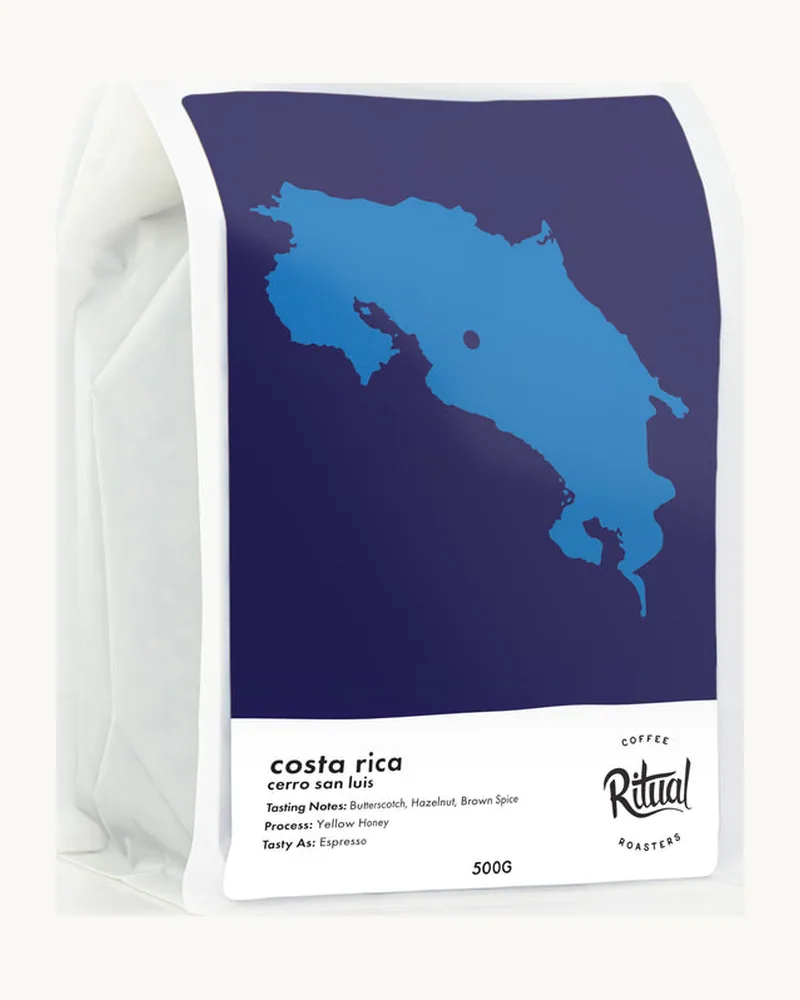
Ritual Coffee
costa rica cerro san luis
28,00 AU$
Porquê: Costa RicaHoneyPreço semelhante
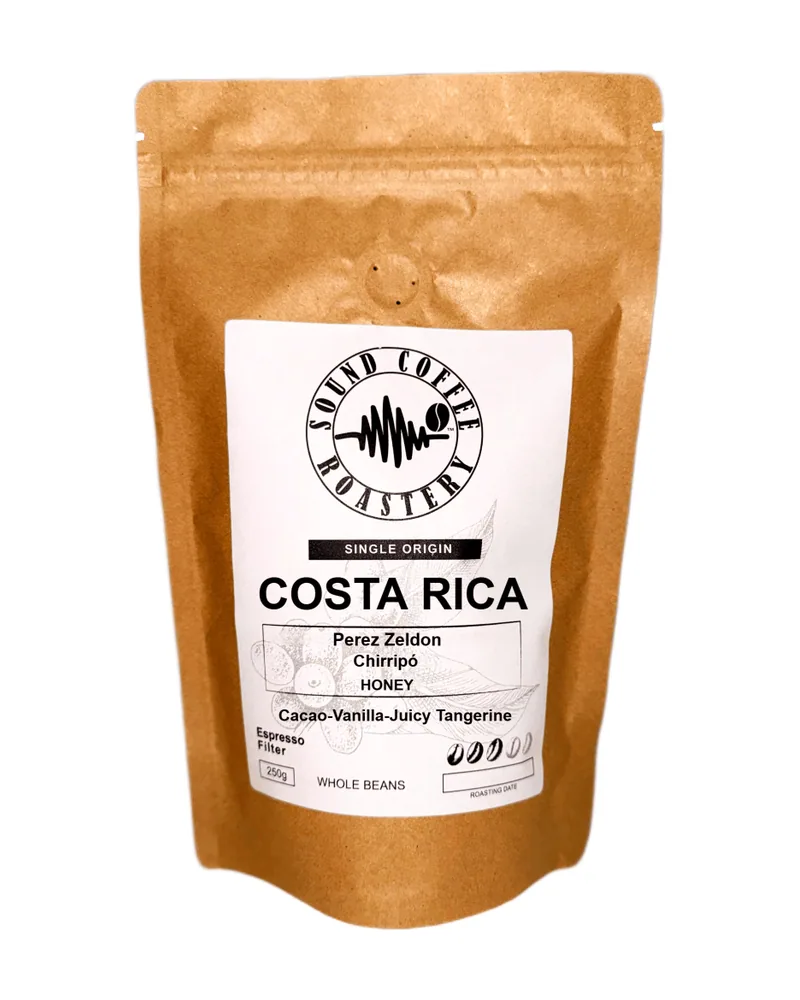
Sound Coffee
Costa Rica Perez Zeldon Honey
9,00 €
Porquê: Costa RicaHoneyPreço semelhante