Carabica
Silent Riot, Columbia Cauca, arabica Blend, Omni
Colombia
- Blend
Silent Riot, Columbia Cauca, arabica Blend, Omni er en kaffe fra Colombia, som sælges af Carabica (Kirchzarten, Tyskland). Pris: 12,00 € til 35,00 €, afhængigt af størrelsen. Det svarer til fra 35,00 € pr. kilo.
Endnu ikke bedømt · Vær den første til at anmelde den
fra12,00 €
≈ 35,00 € / kg
Du føres til risteriets webshop for at gennemføre dit køb.
- Risteri med base i
- Tyskland
- Levér til
- Danmark · Ikke angivet af risteriets webshop
Størrelser og priser
Beskrivelse
Silent Riot – Colombia Cauca
Yellow plum · apricot · caramel · honey
Juicy sweetness · delicate, lively acidity · soft, rounded body
Overall, this coffee offers a distinctive profile in the cup. You get that ripe, yellow fruit right away. More plum and apricot than citrus.
Then there’s a juicy sweetness that develops toward caramel, with a light honey note on the finish.
The acidity is present, but relaxed. It brings freshness without making you work for it.
That’s exactly what we love: you can drink it every day without getting tired of it, but it’s far from boring.
As an Omniroast, it delivers just what you’d hope for. In a filter brew, it’s clear, almost elegant. As espresso, it gains more depth, sweetness, and intensity, while remaining stable and easy to control. Admittedly, the crema is modest, but that wasn’t the point of this coffee.
Origin – three regions, one coffee
This blend brings together coffees from three of Colombia’s most important growing regions: Cauca, Nariño, and Tolima. All lie along the Andes, but each region brings its own character.
What makes this coffee interesting is that many small producers work together here, having consciously chosen a different path. Less chemistry, more homegrown solutions. More diversity in the fields, less monoculture. Coffee grown in the shade instead of pushing everything for maximum yields.
Together, they make a coffee that tastes this way not by chance, but by design.
Originally, the goal was to make good use of smaller quantities from different harvests instead of letting them disappear somewhere. The result is something that’s much more than just a practical solution.
A coffee that shows just how good Colombia can be when you intelligently combine different terroirs, varieties, and processing methods.
The regions in detail
Cauca – balance and clarity
Cauca is in southwestern Colombia and is one of the country’s classic coffee-growing regions. Many growing areas are high up, often between 1,700 and 2,000 meters, with steady temperatures and fertile volcanic soil.
Coffees from here deliver exactly what you’d hope for from Colombia:
clear, clean, and well structured.
Cauca is known for its calm, balanced character and very reliable quality, with clean acidity and pleasant sweetness. In this blend, Cauca provides the foundation.
Nariño – altitude, tension, freshness
Nariño is even farther south, right on the border with Ecuador. The region is known for its extreme altitudes—sometimes over 2,000 meters—and large temperature differences between day and night.
This leads to slower ripening of the coffee cherries and brings more complexity to the cup. Coffees from Nariño often have more tension, more freshness, livelier acidity, and more pronounced fruit notes.
Tolima – depth and structure
Tolima is in central Colombia, also in the Andes, but it’s often a little warmer and has different climatic conditions than the southern regions.
Coffees from here have more body, more depth, and greater sweetness. Tolima gives this blend a rounder mouthfeel.
Sailed – by sailing ship
Some of these coffees were transported by sailing ship.
Not as a marketing gimmick, but because they consciously tried a different approach.
That doesn’t automatically make the coffee better, but it shows the mindset behind this work.
Specifically: How many tons of CO₂ can be saved per kilogram of goods transported by using a sailing ship, and how efficient is a sailing cargo ship compared with a conventional one?
A large container ship, comparable to those in use around the world today, emits about 80 g of CO₂ per kilogram of goods transported.
A sailing cargo ship, by contrast, emits about 13 g of CO₂ per kilogram.
If you also account for emissions from building the ships and spread them over their service life (25 years), the picture is as follows: a container ship then emits around 82 g of CO₂ per kilogram of goods transported, while a sailing ship comes in at about 21 g of CO₂ per kilogram.
Why Silent Riot?
The name Silent Riot suits this coffee because what lies behind it happens quietly—but is anything but insignificant.
To understand this, it helps to look at the original name: “La Tierra del Olvido” – the forgotten land.
This isn’t a marketing term. It’s a real expression in Colombia.
It describes regions and people who have long gone largely unseen. Far from the major cities and infrastructure, often marked by conflict, insecurity, and few economic opportunities.
Many of Colombia’s coffee-growing regions are among them.
Cauca, Nariño, Tolima—these are beautiful regions with ideal conditions for coffee. At the same time, for decades they were areas with weak government structures, where many small farmers were left to fend for themselves. Those who grew coffee there often did so not out of some romantic ideal, but because it was one of the few ways to earn an income at all.
These are the people behind this coffee.
Small-scale producers, family businesses, often built up over generations.
Many have learned to work with uncertainty, organize themselves, and find solutions when there are no easy paths forward.
Fair trade
Because our trading model is based on quality, we often pay our coffee farmers many times the current market price. It matters to us that coffee farmers are rewarded for their investment in high quality.
In addition, we support numerous small entrepreneurs in developing countries with interest-free microloans through the kiva.org platform.
Freshness, handcrafted through roasting
We refine our green coffees using a gentle drum-roasting process, with precision and care. We enjoy this coffee from Colombia as both espresso and filter coffee. That’s why we roast these beans as an “Omni” and aim to offer the ideal roast profile for them.
The quality can be closely controlled in smaller batches, and your coffee always arrives fresh.
Spørgsmål om Silent Riot, Columbia Cauca, arabica Blend, Omni
Hvor kommer Silent Riot, Columbia Cauca, arabica Blend, Omni fra?
Den kommer fra Colombia.
Hvad koster Silent Riot, Columbia Cauca, arabica Blend, Omni?
Pris: 12,00 € til 35,00 €, afhængigt af størrelsen. Det svarer til fra 35,00 € pr. kilo. Priserne kommer fra webshoppen og kan ændre sig; webshoppen har de aktuelle.
Hvor kan jeg købe Silent Riot, Columbia Cauca, arabica Blend, Omni?
I webshoppen hos Carabica: priserne på denne side linker dertil. Ifølge webshoppen leverer den inden for Tyskland. Cafendo sælger ikke selv kaffe.
Anmeldelser
Ingen anmeldelser endnu.
Hvis du kan lide denne kaffe, så prøv disse
Udvalgt blandt andre risterier ud fra fælles oprindelse, forarbejdning, ristning, smagsnoter og pris. Kaffe, som de samme personer har gemt eller bedømt højt, tæller mest.
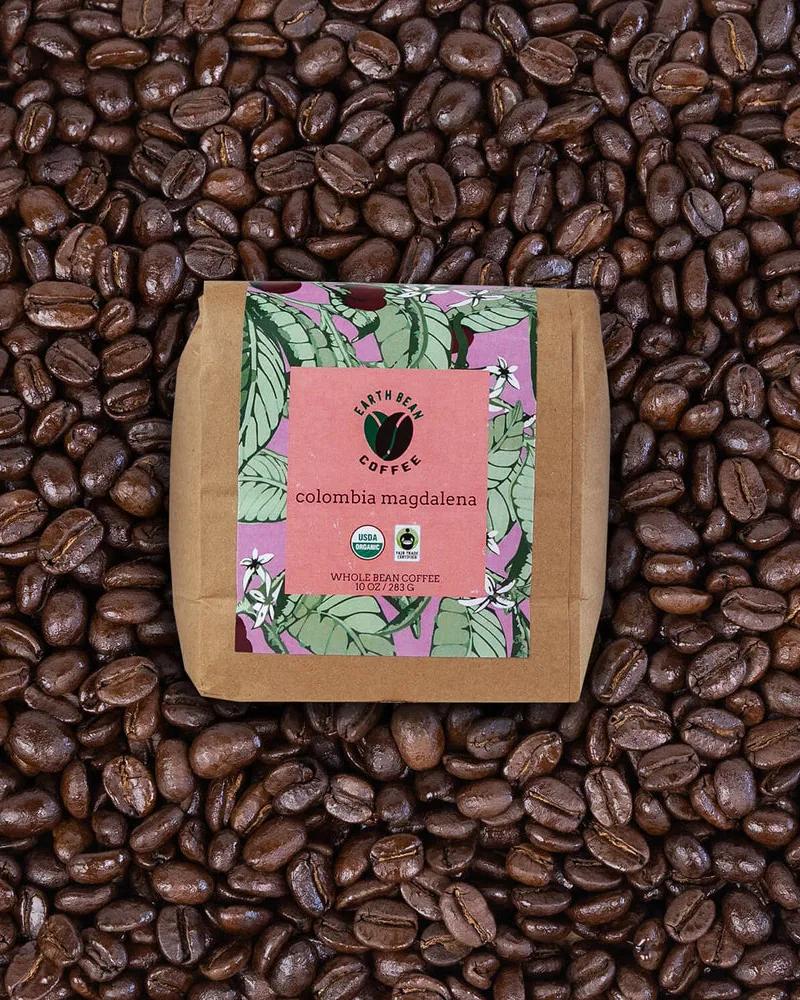
Earth Bean Coffee
Colombia Magdalena
18,00 US$
MediumHvorfor: ColombiaLignende pris
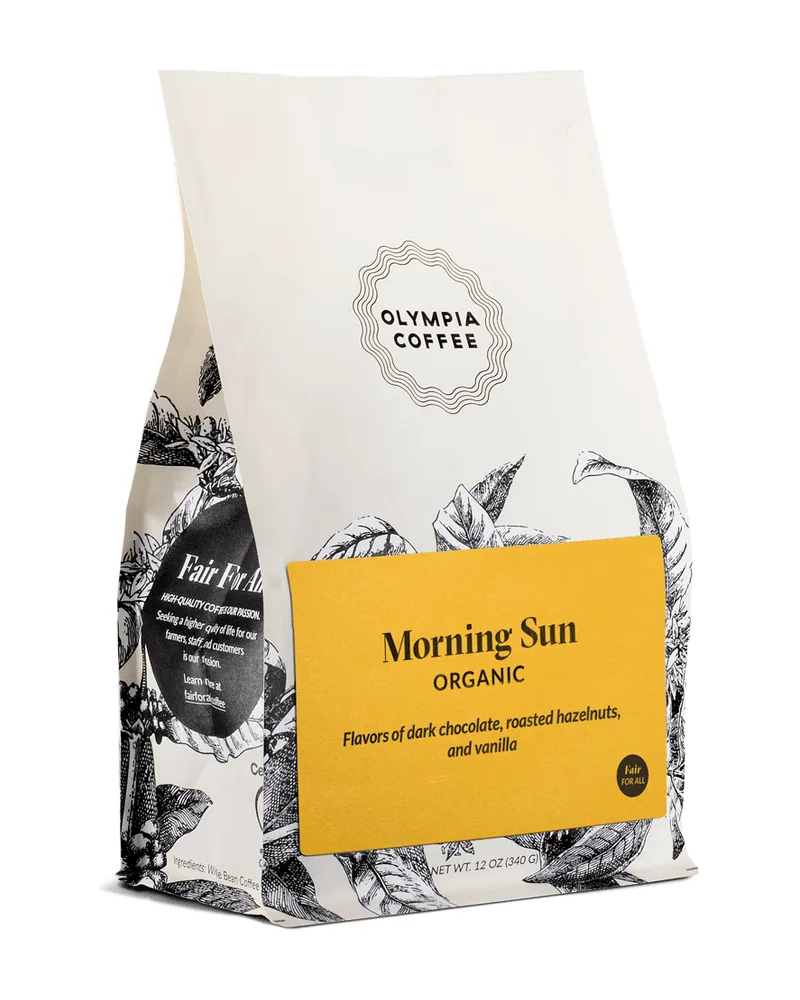
Olympia Coffee
COLOMBIA Morning Sun Organic
14,17 US$
Hvorfor: ColombiaLignende pris
Smokin' Aces Coffee
Juan Tama
16,91 US$
Hvorfor: ColombiaLignende pris
29 Coffees
29 Coffees Single Origin House
9,41 US$
MediumHvorfor: ColombiaLignende pris
Oetterli Coffee
DEZALÉ SINGLE ORIGIN
12,27 US$
MediumHvorfor: ColombiaLignende pris
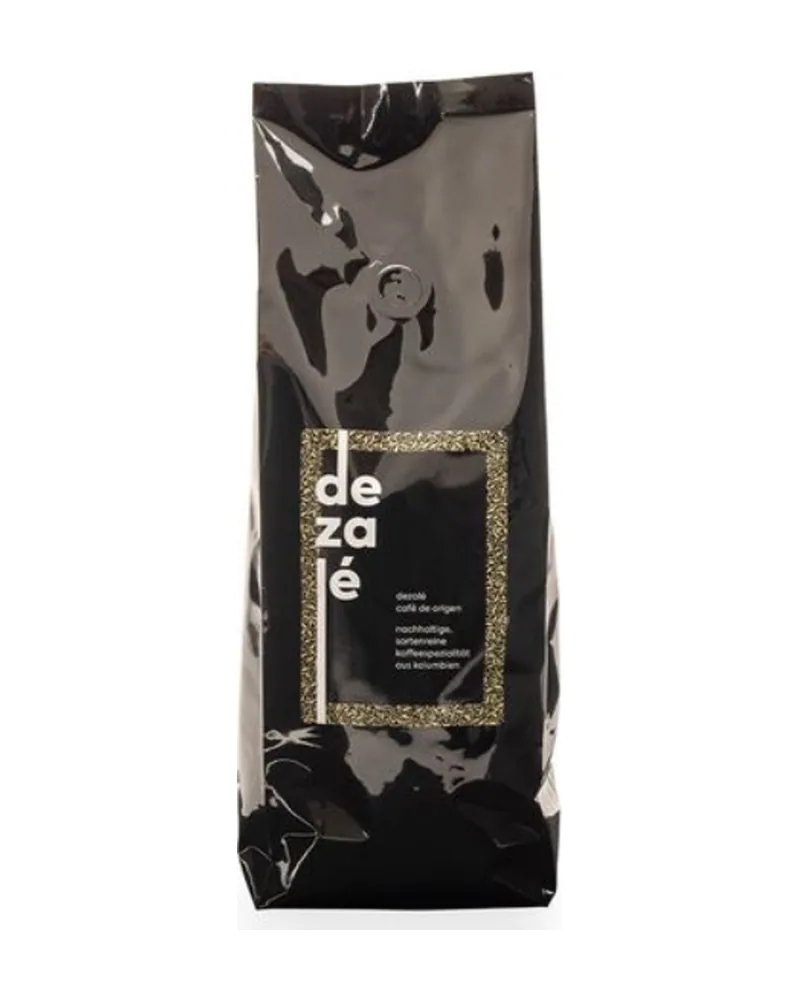
Oetterli Coffee
DEZALÉ SINGLE VARIETY
10,91 US$
MørkHvorfor: ColombiaLignende pris
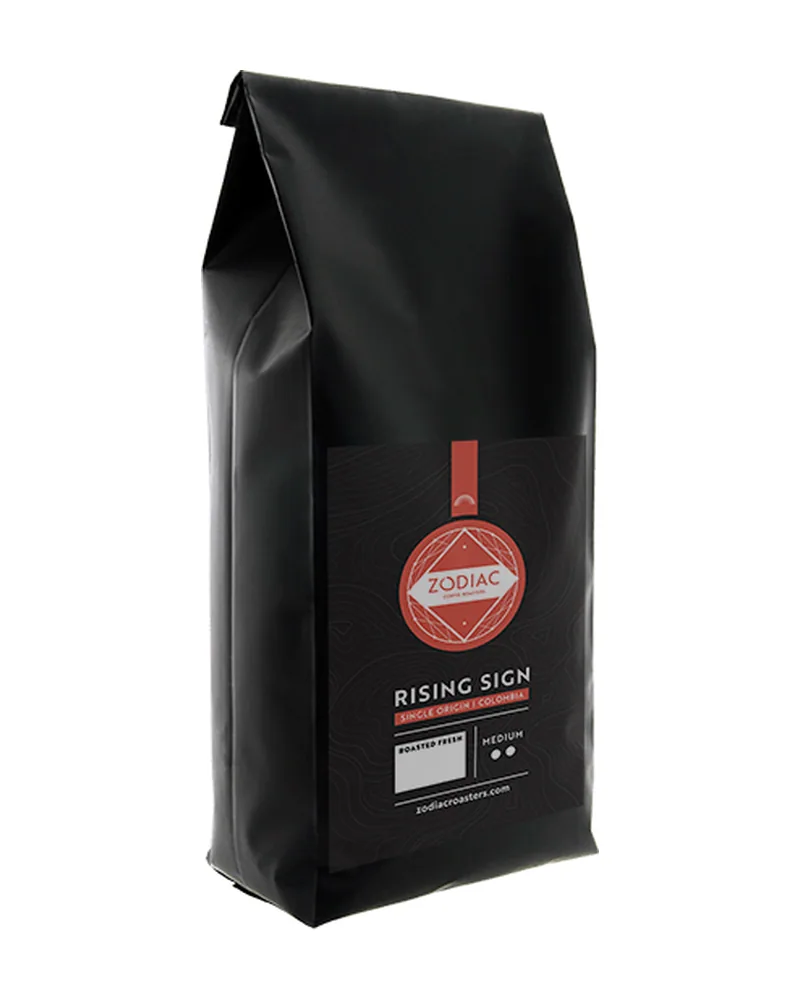
Zodiac Coffee Roasters
Rising Sign: Colombia
15,91 US$
MediumHvorfor: ColombiaLignende pris
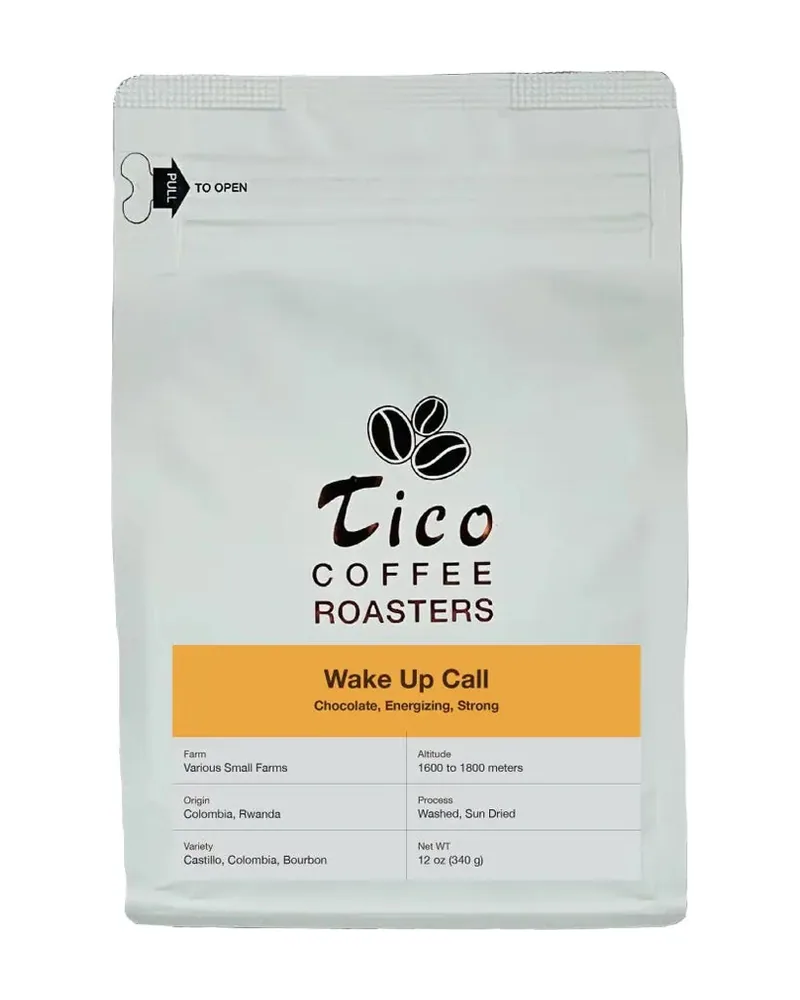
Tico Coffee Roasters
Wake Up Call
21,00 US$
MørkHvorfor: ColombiaLignende pris