Carabica
House Blend Espresso aus 80 Prozent Arabica und 20 Prozent Fine Robusta
- Blend
House Blend Espresso aus 80 Prozent Arabica und 20 Prozent Fine Robusta er en kaffe, der sælges af Carabica (Kirchzarten, Tyskland). Pris: 11,00 € til 34,00 €, afhængigt af størrelsen. Det svarer til fra 34,00 € pr. kilo.
Endnu ikke bedømt · Vær den første til at anmelde den
fra11,00 €
≈ 34,00 € / kg
Du føres til risteriets webshop for at gennemføre dit køb.
- Risteri med base i
- Tyskland
- Levér til
- Danmark · Ikke angivet af risteriets webshop
Størrelser og priser
Beskrivelse
Character: Chocolate, apricot, cocoa, caramel, and vanilla
House Blend Espresso
80 percent Arabica and 20 percent Fine Robusta
A house blend is always something special for a roastery. After all, it captures pretty much exactly how they think a classic espresso should taste.
For our House Blend, that means plenty of chocolate and caramel, a full body, and enough fruit to keep the espresso interesting. To achieve this, we combine three different coffees from Brazil, Indonesia, and Rwanda.
80 percent Arabica meets 20 percent Fine Robusta. Bold enough for cappuccino and flat white, yet complex enough to enjoy straight as an espresso.
Three Origins, Three Roles
Our House Blend is made up of 50 percent dry-processed Arabica from Brazil, 30 percent Ketiara Arabica from Sumatra, and 20 percent of our Mr. Kong Fine Robusta from Rwanda.
The Brazilian coffee forms the blend’s mellow base. It brings sweetness, body, and classic chocolate notes.
The Ketiara from Indonesia adds depth, spice, and fruit. It comes from the Gayo Highlands of Sumatra and is produced by the Ketiara KOPEPI Cooperative. The coffee grows at elevations of about 1,200 to 1,650 meters and is traditionally processed using the Giling Basah method common in Sumatra.
The final 20 percent comes from Rwanda. Mr. Kong is a high-quality Canephora from the Gakenke District in the north of the country. It adds body, viscosity, and the bold structure that works especially well in espresso and milk drinks.
Why Fine Robusta?
Robusta doesn’t always have the best reputation in espresso. That’s mainly because it was often used for a long time as a low-cost component to make blends stronger and less expensive.
We take a different approach.
When 20 percent of a blend is Robusta, that 20 percent shouldn’t just be there for the sake of it. It should contribute something.
That’s why we use Mr. Kong, a carefully produced Canephora from Rwanda. The coffee comes from the Kabila Cooperative in Gakenke. The plants grow at elevations of about 1,600 to 2,000 meters. The cherries are hand-picked, washed, and then dried on raised beds.
In the House Blend, this coffee primarily contributes a bold body, a dense texture, and plenty of presence in the cup.
Ketiara from Sumatra
30 percent of the House Blend comes from the Ketiara KOPEPI Cooperative in the Gayo Highlands of Sumatra.
Several Arabica varieties are grown there, including Gayo 1, Gayo 2, Catimor, Caturra, Bourbon, and Typica.
The region is known for Giling Basah processing, also called wet hulling. In this method, the parchment is removed while the beans still have relatively high moisture content. The green coffee is then dried further.
This processing contributes to the distinctive profile of many coffees from Sumatra. In the House Blend, Ketiara brings spice, dark chocolate, fruit, and a creamy body.
Roasted Separately, Then Blended
Our House Blend is a post blend.
That means we don’t mix the individual green coffees together before roasting. Instead, we first roast the components separately and then blend them in the desired proportions.
This takes more work, but it also gives us more control.
A large Arabica from Sumatra behaves differently during roasting than a Canephora from Rwanda. If we simply put both in the roaster together, we’d have to compromise on the roast.
With a post blend, we can roast each component in the way that works best for it, then combine them to create the finished espresso.
For Espresso Machines, Superautomatic Machines, and Moka Pots
The House Blend is one of our most versatile espressos.
In an espresso machine, it works as a classic espresso, doppio, cappuccino, or flat white. The blend also has enough body and sweetness for a superautomatic machine. In a moka pot, it makes a bold coffee with plenty of chocolate and caramel.
That makes the House Blend an easy choice for households where people drink espresso in the morning and cappuccino later in the day.
You don’t need to open a different coffee for every drink.
Our Recipe Recommendation
For an espresso machine, start with 19 grams of coffee and about 42 to 44 grams of espresso in the cup.
A brew time of around 28 to 32 seconds is a good starting point. For the brew temperature, we’d start at about 92 to 93 degrees Celsius.
This produces an espresso with plenty of sweetness, a pronounced body, and a good balance of chocolate, caramel, and fruit.
If you’d like more body, you can extract a little less. For a more open, lighter espresso, you can slightly increase the yield.
This recipe is a starting point. Your machine, grinder, water, and personal taste can determine the rest.
Our Packaging
Our current coffee packaging is made from an aluminum-free monomaterial. Its recyclability was assessed using Interzero’s Made for Recycling process, formerly known as Interseroh.
This does not automatically mean that every individual bag is actually recycled after disposal. However, the packaging meets the requirements assessed in the testing process for collection, sorting, and material recycling.
After use, the bag belongs in the yellow recycling bin or yellow bag in Germany.
Who Is Our House Blend For?
The House Blend is for you if you want a classic, bold espresso but still value high-quality green coffee and transparent sourcing.
If you prefer chocolate, cocoa, caramel, and vanilla to strongly floral or very bright, acidic espressos.
If you drink a lot of cappuccinos or flat whites.
80 percent Arabica. 20 percent Fine Robusta.
That’s our House Blend.
Spørgsmål om House Blend Espresso aus 80 Prozent Arabica und 20 Prozent Fine Robusta
Hvad koster House Blend Espresso aus 80 Prozent Arabica und 20 Prozent Fine Robusta?
Pris: 11,00 € til 34,00 €, afhængigt af størrelsen. Det svarer til fra 34,00 € pr. kilo. Priserne kommer fra webshoppen og kan ændre sig; webshoppen har de aktuelle.
Hvor kan jeg købe House Blend Espresso aus 80 Prozent Arabica und 20 Prozent Fine Robusta?
I webshoppen hos Carabica: priserne på denne side linker dertil. Ifølge webshoppen leverer den inden for Tyskland. Cafendo sælger ikke selv kaffe.
Anmeldelser
Ingen anmeldelser endnu.
Lignende kaffer
Andre risteriers kaffe, der ligner denne

HalfWit Coffee Roasters
Moonbat Blend
18,00 US$
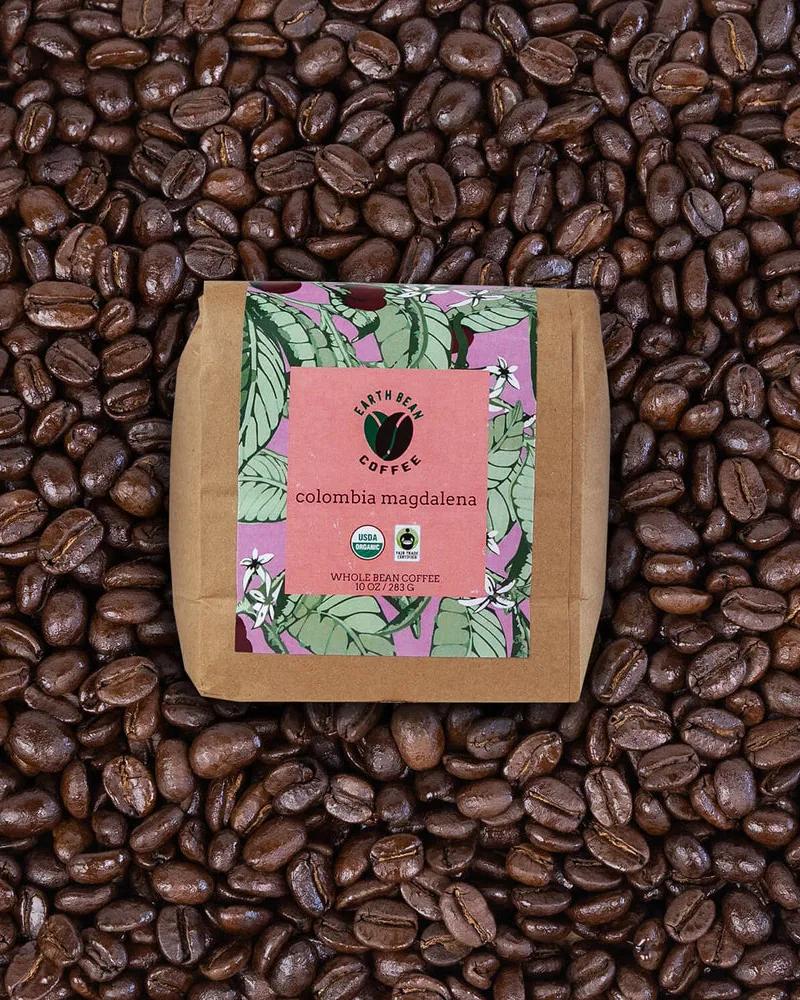
Earth Bean Coffee
Colombia Magdalena
18,00 US$
Medium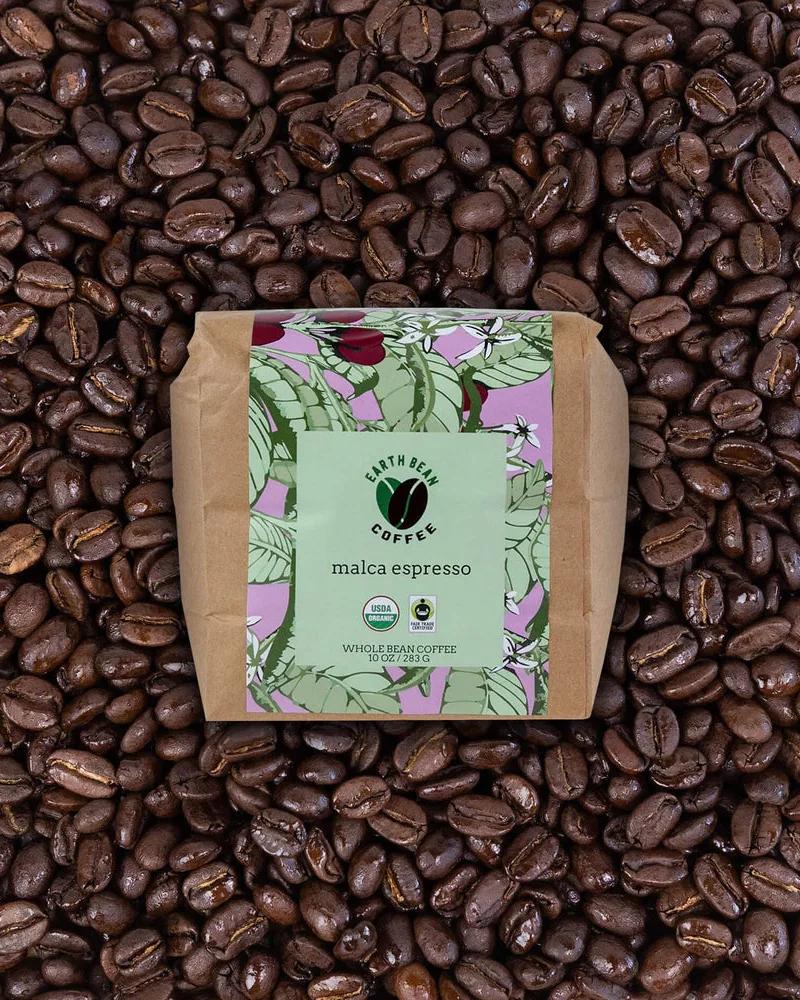
Earth Bean Coffee
Malca (espresso)
17,00 US$
Medium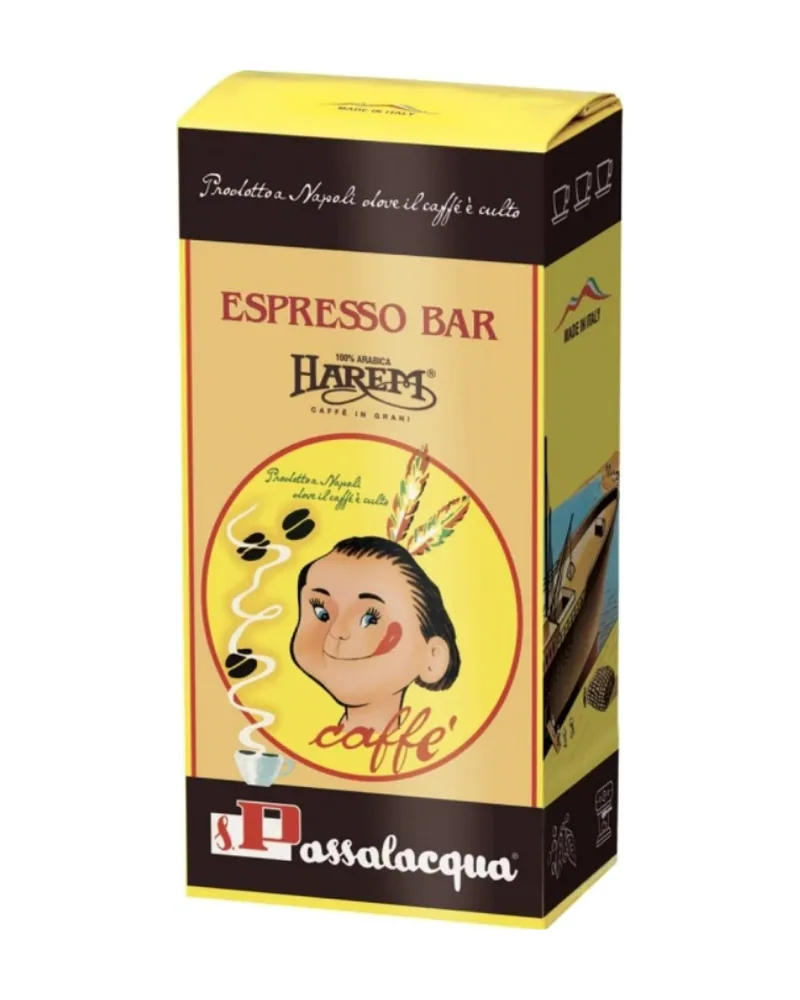
Passalacqua
Harem
19,00 US$
Mørk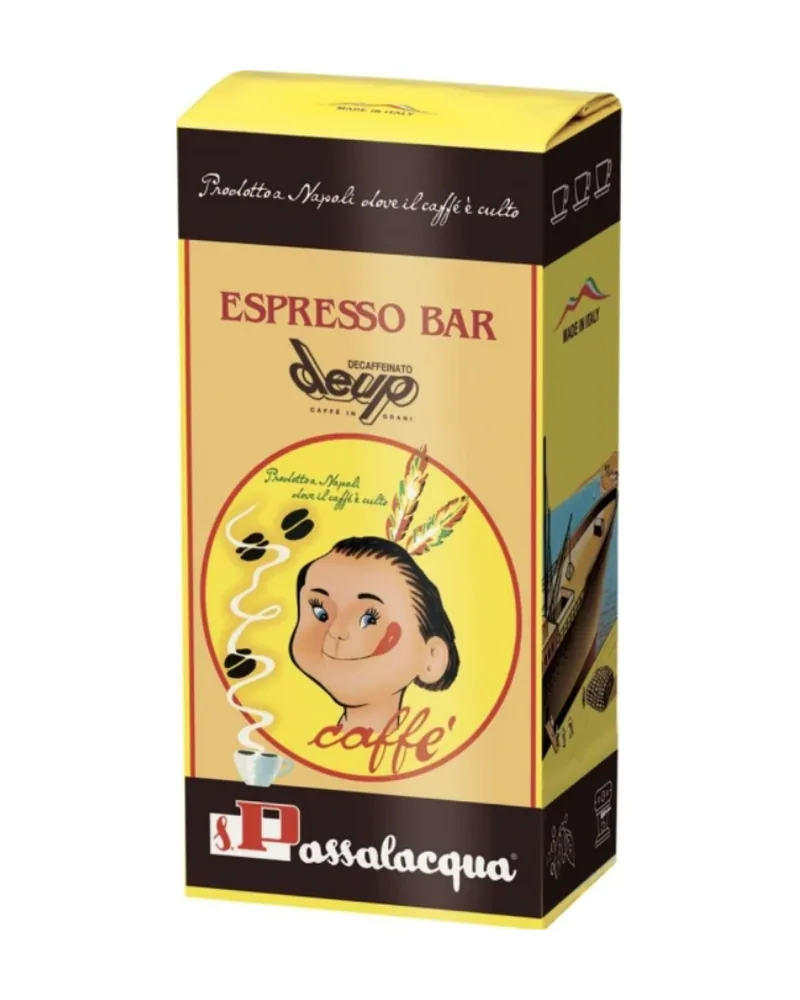
Passalacqua
Deup
14,50 US$
Mørk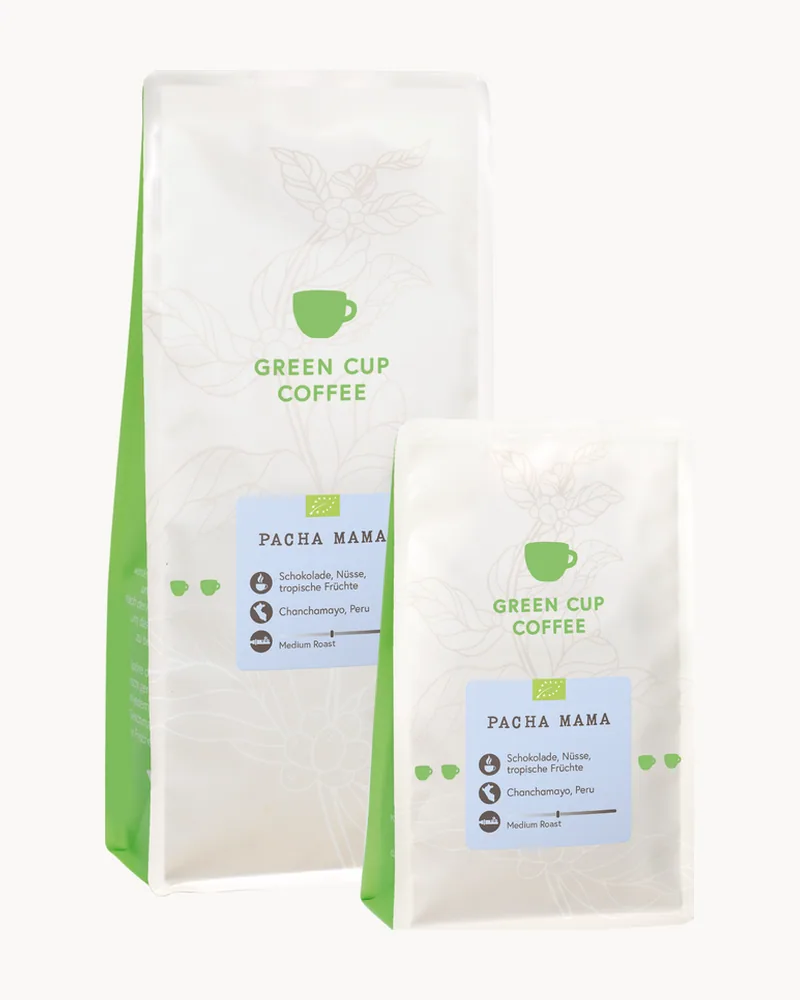
Green Cup Coffee
Pacha Mama - BIO
9,90 €
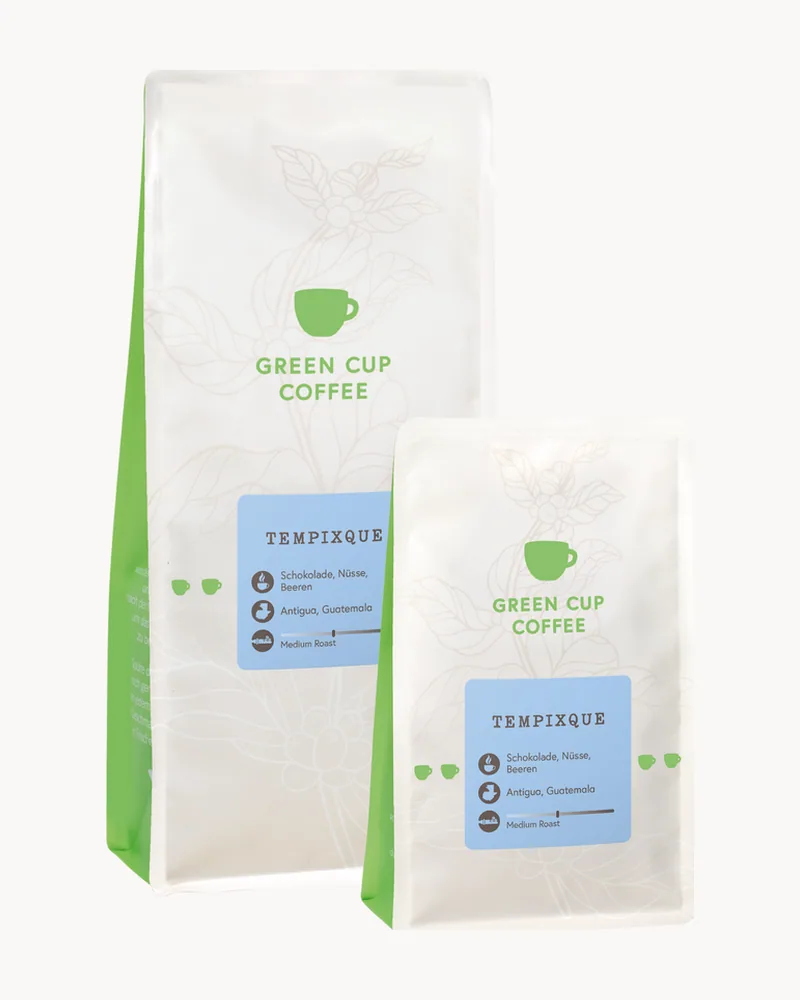
Green Cup Coffee
Tempixque
9,90 €
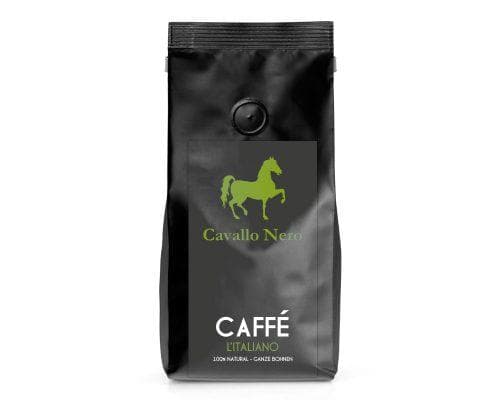
Biotiva
Coffee L'Italiano
12,50 US$
Mørk